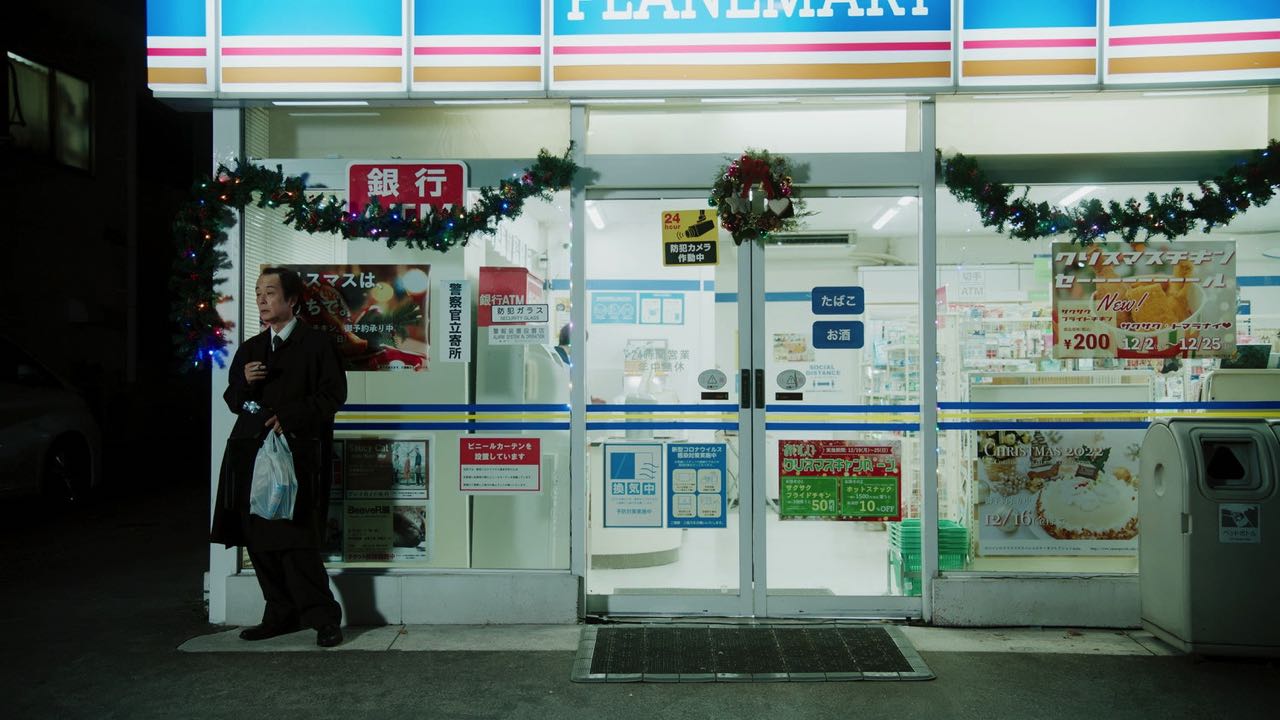
Fifteen years ago, director Janus Victoria first read about kodokushi in a magazine. The Japanese term, which translates to “lonely death,” refers to a phenomenon of people dying alone and remaining undiscovered for a long time. That left a haunting yet lasting impression on Victoria. “That was the first time I encountered the thought of dying alone and its implications,” she said to Cinema Escapist. “It’s a fearsome thought, and it’s a fear every person faces at a certain point in their lives, regardless of where they are.”
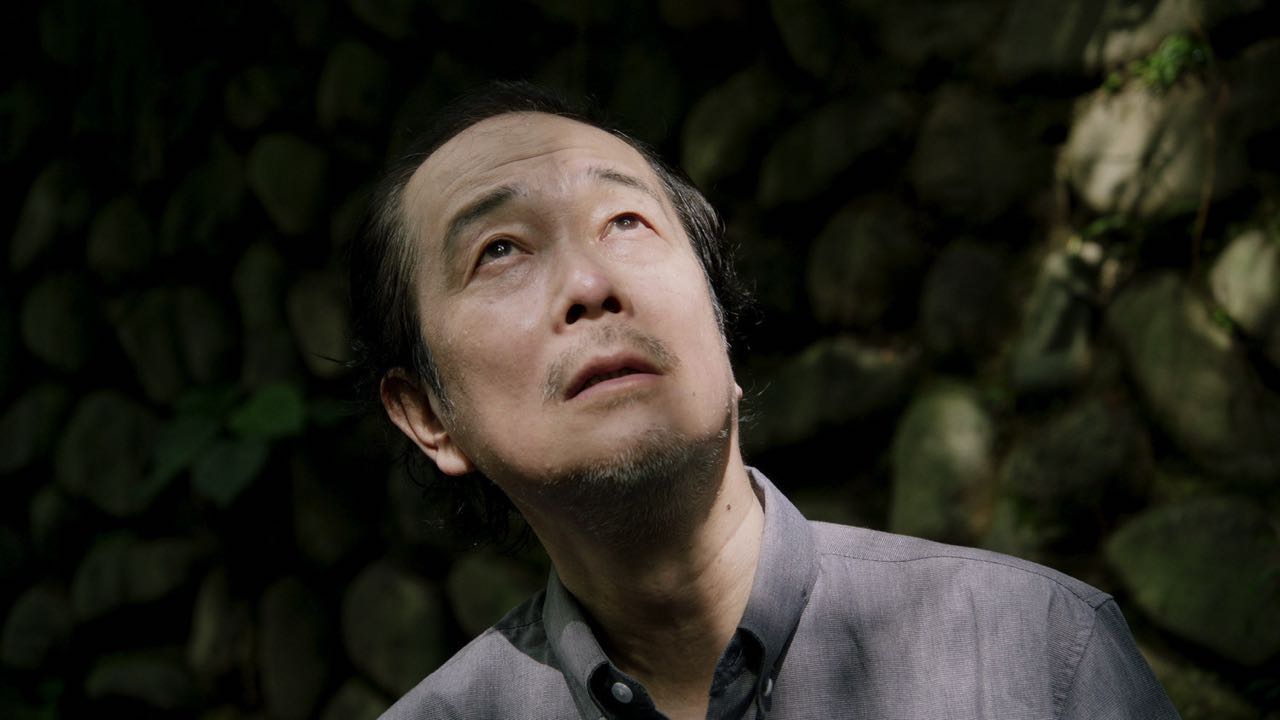
Victoria’s debut feature, Diamonds in the Sand, follows divorced salaryman Yoji (Lily Franky), who leads a seemingly solitary life. After the kodokushi death of his neighbor, he embarks on a journey to the Philippines. Together with his late mother’s Filipina caregiver (Maria Isabel Lopez), he seeks to add meaning to his life. In Japan, over 40,000 elderly people died alone at home in the first half of 2025. The country’s aging population and emphasis on post-war rapid economic growth have eroded family ties. However, the phenomenon is also spreading to young Japanese, who grapple with loneliness and a lack of social connections.
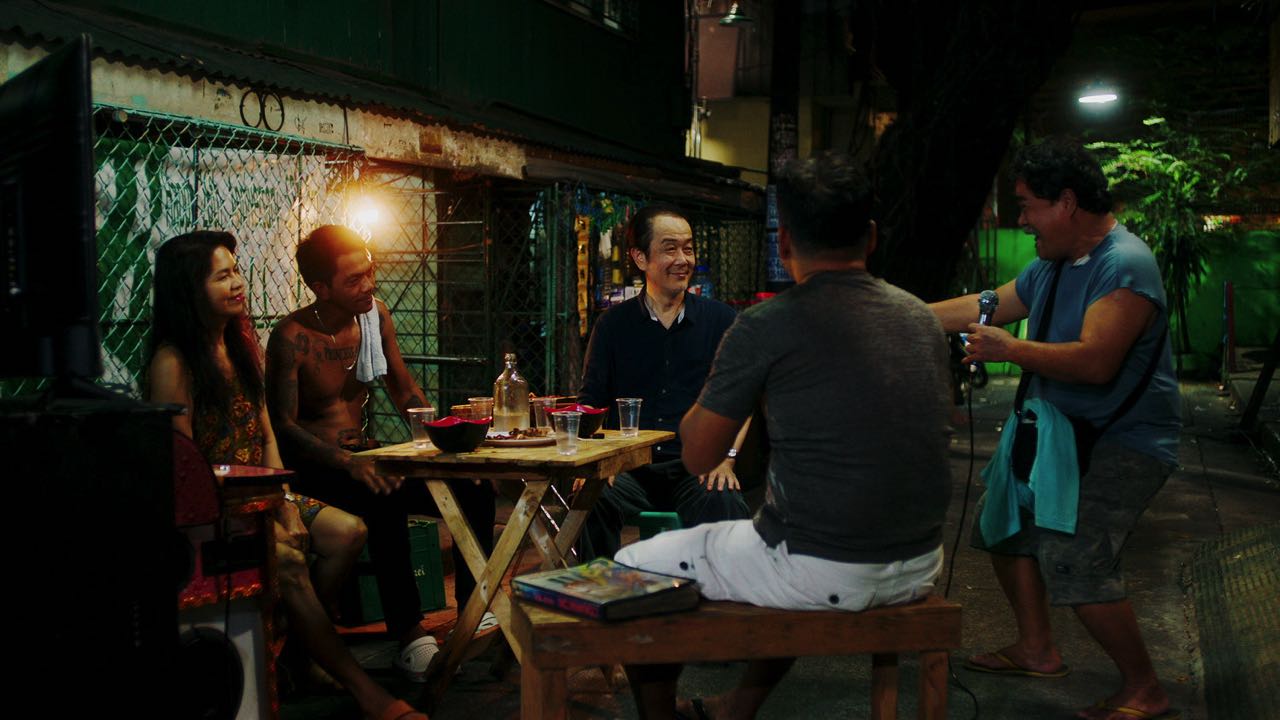
Diamonds in the Sand acknowledges the universality of solitary deaths.
“I approached it first by asking, ‘What kind of person dies a kodokushi?’ It’s not just about dying physically alone,” said Victoria. “Your death is discovered not because you’re missed but because your mailbox is full, your bills don’t get paid, or in extreme situations, the body has started to decompose and the smell is not constrained anymore—to die a kodokushi is to be forgotten.”
Victoria doesn’t hold back in depicting this reality. In Diamonds, she made sure to show the unique characteristics that define a death as kodokushi, from discovering the body to the cleanup process and the aftermath. Decades of experience in documentary work for Philippine television have made bringing this reality to the screen second nature to the director. She and renowned cinematographer Akiko Ashizawa’s visual choices—long takes and wide shots—convincingly make the film seem like life is just playing out. Each location in Japan—Yoji’s almost empty office, his mundane apartment, busy train stations during rush hour—adds meaning to the desolate nature of Yoji’s life. Moreover, the large empty spaces make the characters feel small and alone.
In the film’s second half, Victoria shifts the setting to the Philippines. Immediately, the tone changes; it’s vibrant, people sing karaoke outside the confines of a dark room, eating is a communal affair, and strangers strike up conversations with you—which directly contrasts Yoji’s solitary life in Tokyo. “I had always intended the story to go to the Philippines. I think I’m someone who is always attracted to the idea of contrasts,” said Victoria.
By changing the setting, Victoria also addresses certain stereotypes. Japan is the second most visited destination for Filipinos in 2024, and the number of Filipinos residing in Japan climbed to over 340,000 in 2024. As such, some Filipinos tend to put Japan on a pedestal, being clean, orderly, and disciplined. In contrast, other Asian countries like Japan often see the Philippines as home to kind and happy people; Filipino characters living in Japan echo this facade of happiness to Yoji. In the Philippines though, reality peeks through the illusion; behind parties and get-togethers, poverty and the then-Philippine drug war loom large.
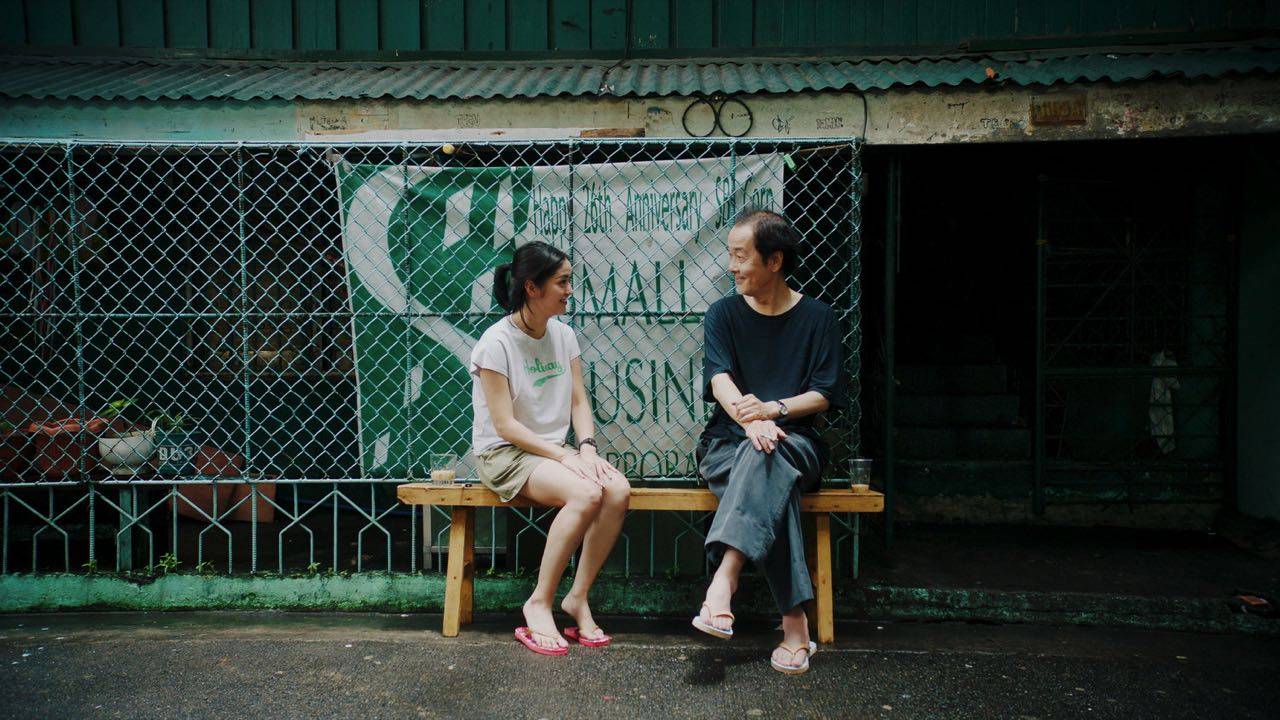
Diamond does not seek to subvert or oppose those stereotypes, only to understand and depict them authentically. On this front, the film succeeds partially thanks to Victoria’s ability to draw from her own experiences in the Philippines. However, Victoria was also able to spend time in Tokyo thanks to a research residency grant from The Japan Foundation.
“What I remember distinctly to this day was my observation of the restaurants. I saw how convenience and speed were prioritized in them. The dining space was always for one, and you knew it because there were visible borders. And no matter how small, there would always be an attempt at a partition—a semblance of it—to give the lone diner privacy,” she said. Numerous scenes in the film amplify the sense of loneliness through the characters’ eating habits. Or, in the case of the Philippines, how eating is a communal affair.

Despite its serious subject matter, Diamonds in the Sand isn’t all grim. It contains a careful balance of seriousness and humor, but Victoria admits that this tonal blend was not a “conscious decision” because “it’s just life.” Her guide “was to follow Yoji’s emotional journey,” and the commitment to tell this story took over a decade. In the end, Diamonds in the Sand encourages viewers to look at the true measure of their life through their past, present, and future.
Said Victoria, “it’s not what we leave behind—not accolades, wealth, or children—but how much people want to remember us after we’re gone.”
• • •
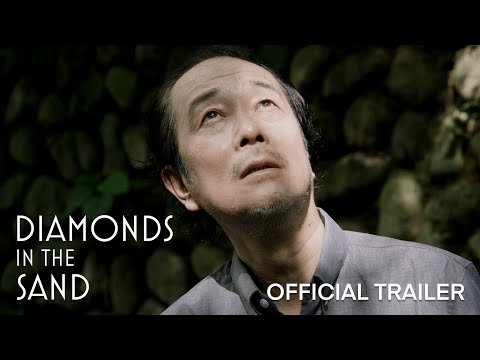
Diamonds in the Sand—Philippines, Malaysia, Japan. Dialog in Japanese, Tagalog. Directed by Janus Victoria. First released November 23, 2024 at the Tokyo Filmex International Film Festival. Running time 1hr 42m. Starring Lily Franky, Maria Isabel Lopez, Soliman Cruz, Kazuko Yoshiyuki, Charlie Dizon.
This article is part of Cinema Escapist’s coverage of the 2025 Hong Kong Asian Film Festival. Diamonds in the Sand currently has a limited theatrical run in Hong Kong cinemas.