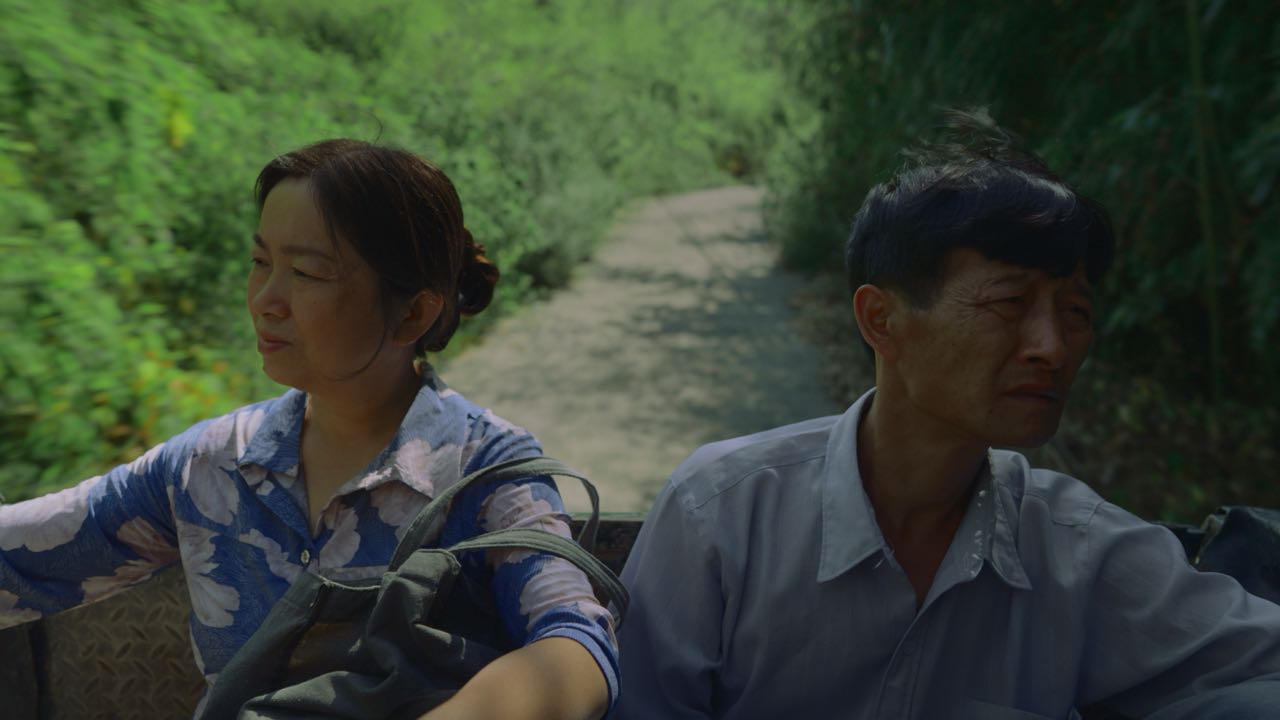
Karst is a quiet and deliberately understated, but highly effective film. The movie provides a sophisticated picture of rural life in China that avoids exoticization, in depicting farmers as everyday people with complex inner lives.
Karst follows cow farmer Ziying, whose herd has mysteriously stopped eating. Though Ziying suspects parasites, anti-parasite medications are in short supply.
This is the start of Ziying’s journey, which includes not only dealing with the potential sickness in her herd, but also other issues in her daily life. In another part of the movie, a satellite dish in her home does not seem to be receiving signal, creating another issue that Ziying must run errands to sort out.
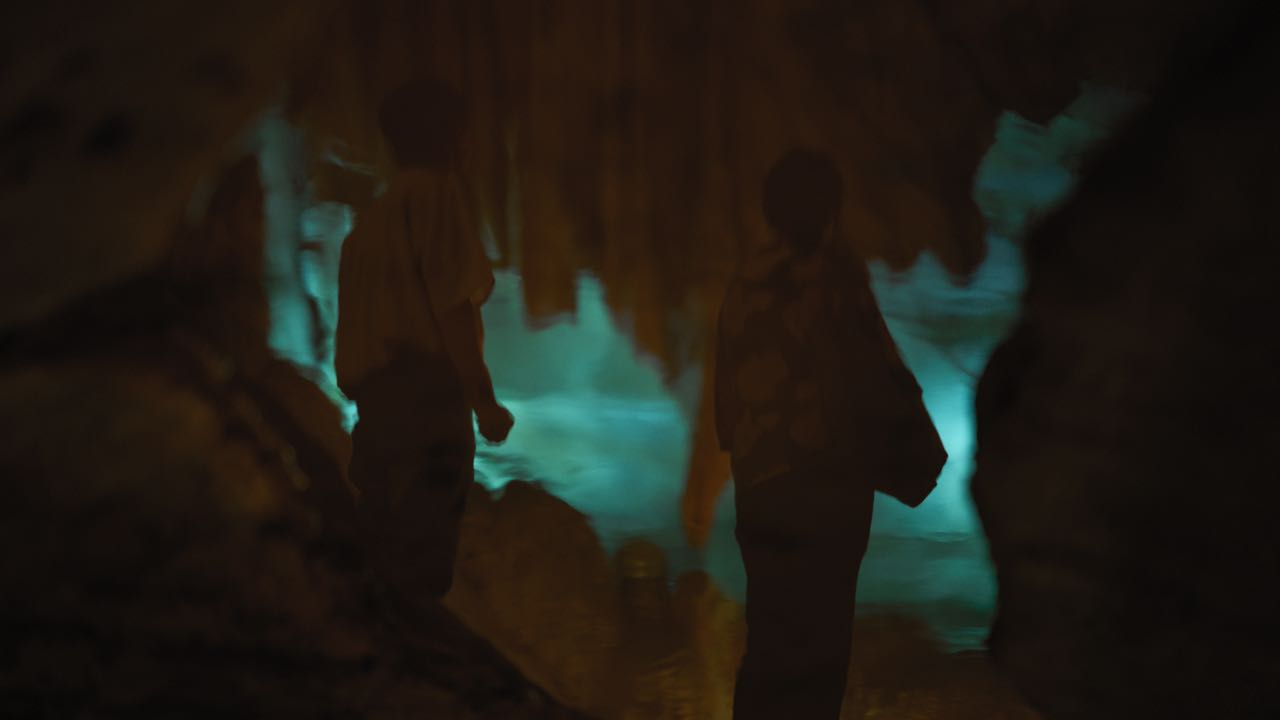
Ziying’s struggles are presented not as a grand struggle but as simply part of her daily life, which includes encounters with friends and family, and lead to various conversations about recent or past events. From this, a picture of Ziying as a headstrong figure in a conservative society emerges, even as Ziying also seems to feel more distant from friends with growing age.
What takes center stage is familial relationships in rural environments. As Ziying seeks pesticides to treat her crops, for example, the issue of women who take their lives using pesticides–often due to infidelity by their husbands–comes up. This occurs in the context of a conversation between Ziying and a pharmacist friend in which the pharmacist is able to guess that a woman purchasing pesticides seeks to end her own life.
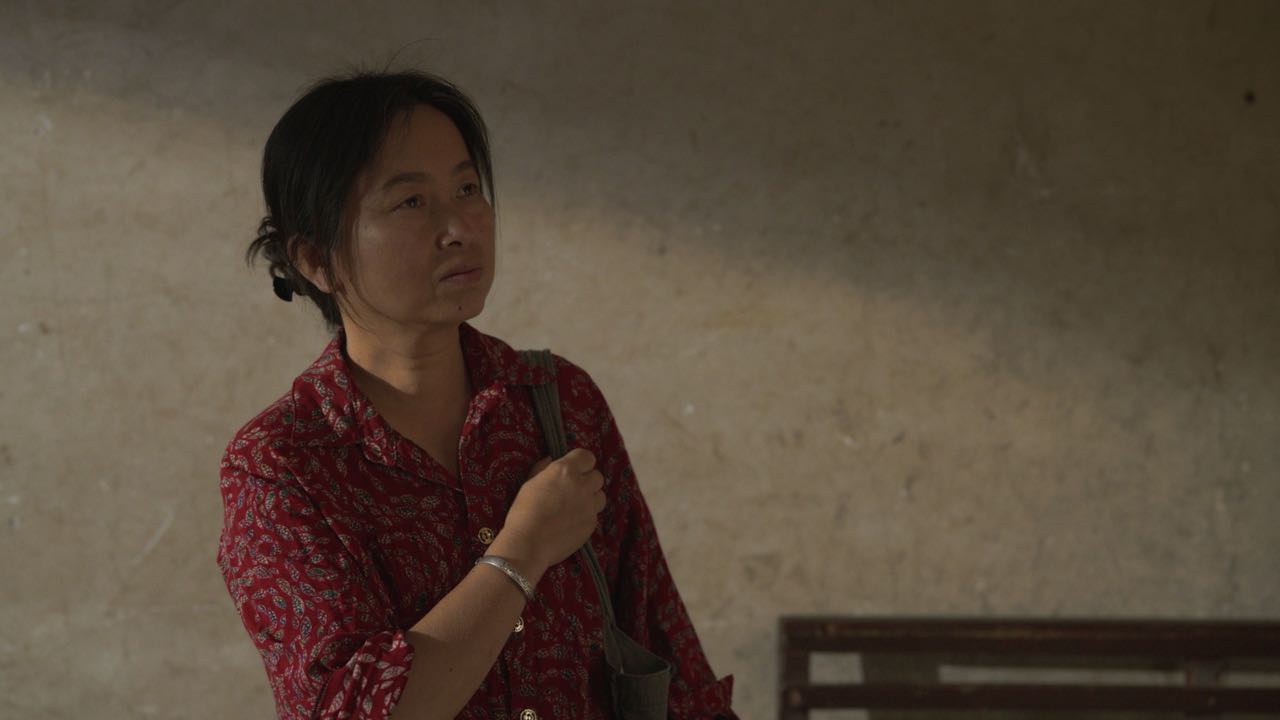
For the most part, Karst remains focused on Ziying’s interactions with fellow members of her small rural community. At the same time, the camera does clearly aestheticize the beauty of her surroundings. In some way, this may actually be to the detriment of a movie that is otherwise tightly focused on human interactions, in that this editorializes a pastoralized view of nature. Perhaps this is something that Karst could have done without, seeing as the movie clearly goes at lengths to avoid idealizing the lives of farmers, nor does it seek to depict the lives of farmers only through the lens of laborious work and toil.
As a character study, then, Karst is a triumph. A less clear picture emerges of what the movie hopes to say about the relationship between humans and nature, in terms of the common threads that emerge in conversations between Ziying and other characters and the movie’s aestheticized depiction of nature. But Karst’s characters carry the movie well enough, proving complex characters in spite of–or precisely because of–the simplicity of their surroundings.
• • •

Karst (Chinese: 喀斯特)—China. Dialog in Chinese Guizhou Dialect. Directed by Yang Suiyi. First released September 25, 2024 at the Pingyao International Film Festival. Running time 1hr 48min. Starring Xiong Shunzi, Yang Xiuhua.
This article is part of our dedicated coverage of the 2025 Alula Film Festival.
This article is also published in No Man Is An Island, an online publication focused on the connections between everyday life and politics. No Man Is An Island is brought to you by the team behind New Bloom Magazine.