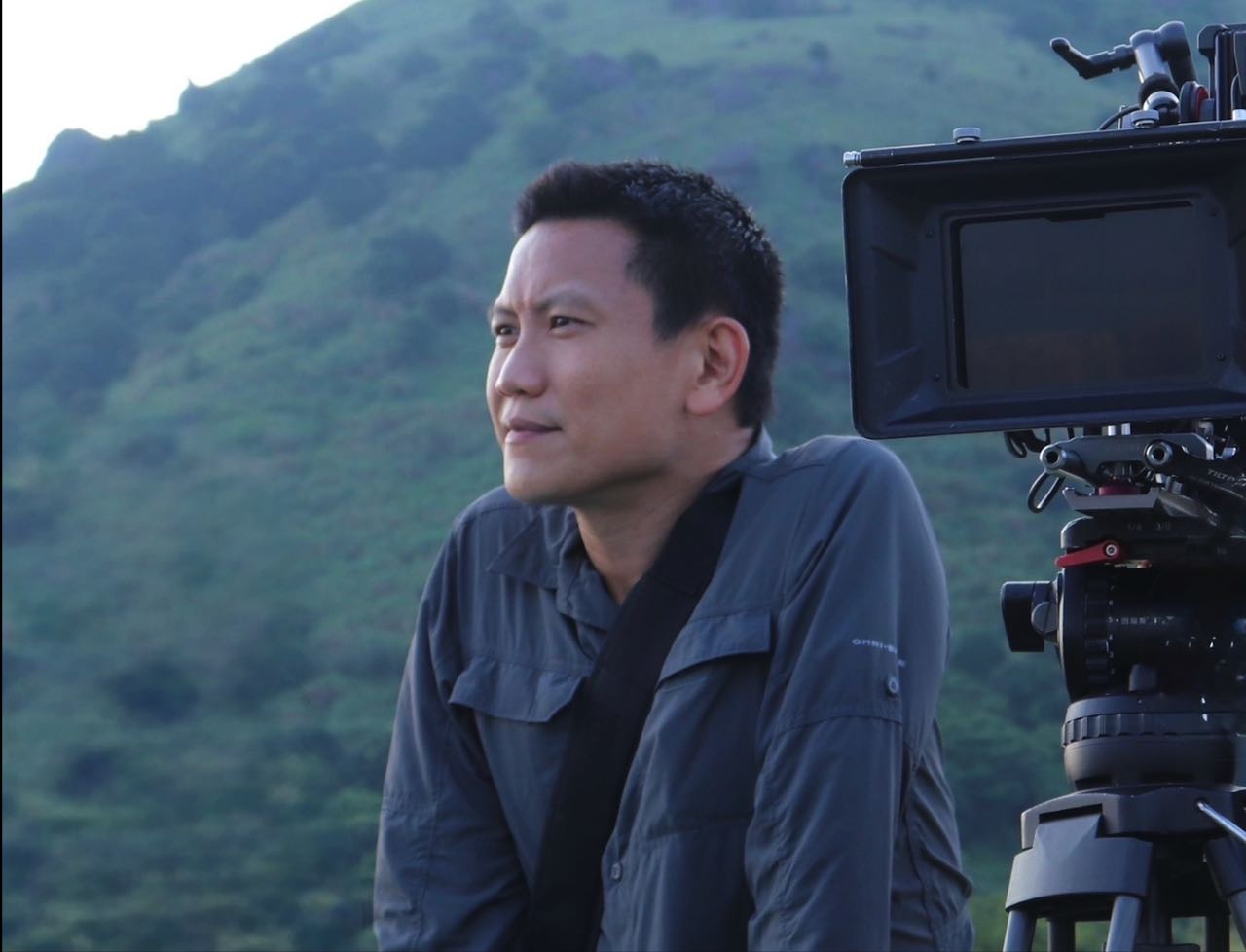
For Brian Hung, sharing a cup of tea helps break down barriers and spark conversations. “It’s [a] very good way to communicate, because it allows people to spend time together,” he said to Cinema Escapist. “Tea is important in Chinese culture. In India, they drink tea with milk,” he said, noting that tea can be a medium to connect cultures. The characters in his feature debut, Let’s Have a Cup of Doodh Patti Chai, use tea to break the ice in much the same way.
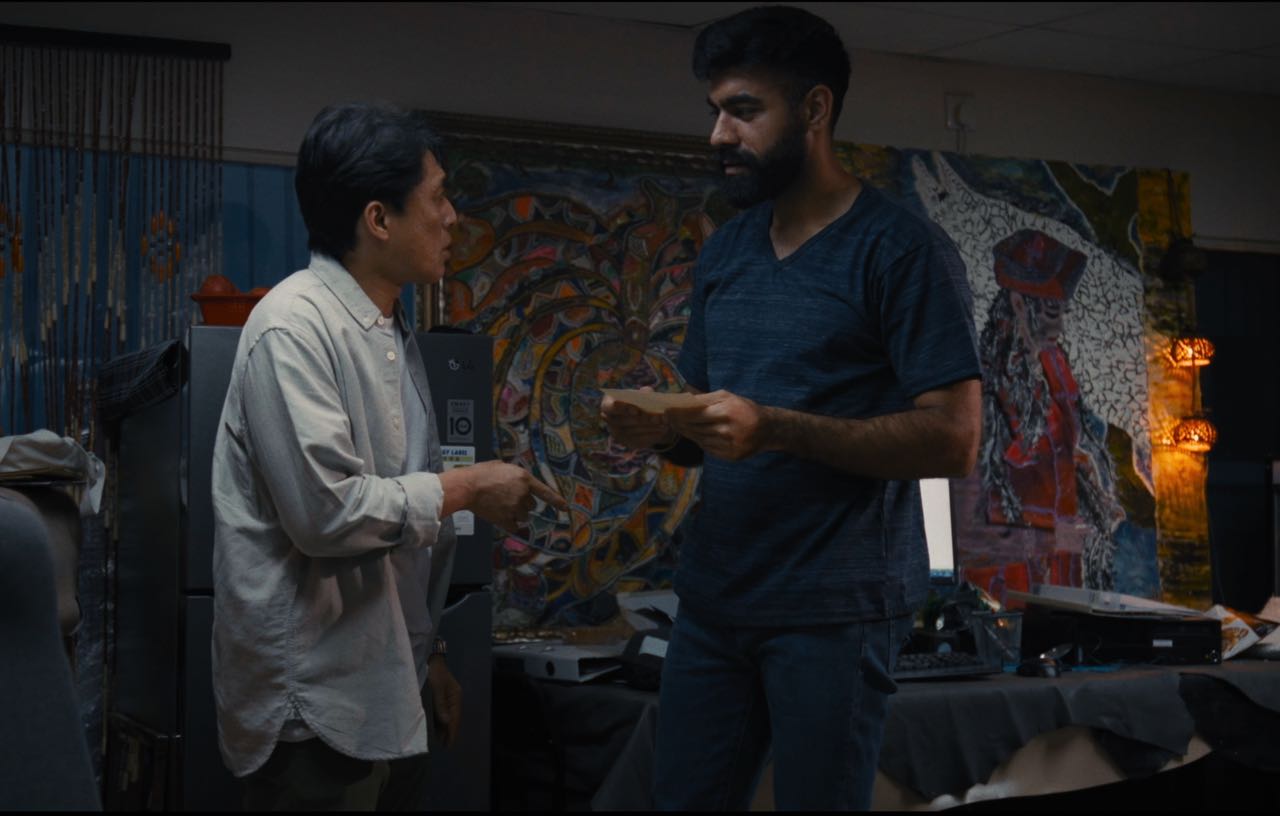
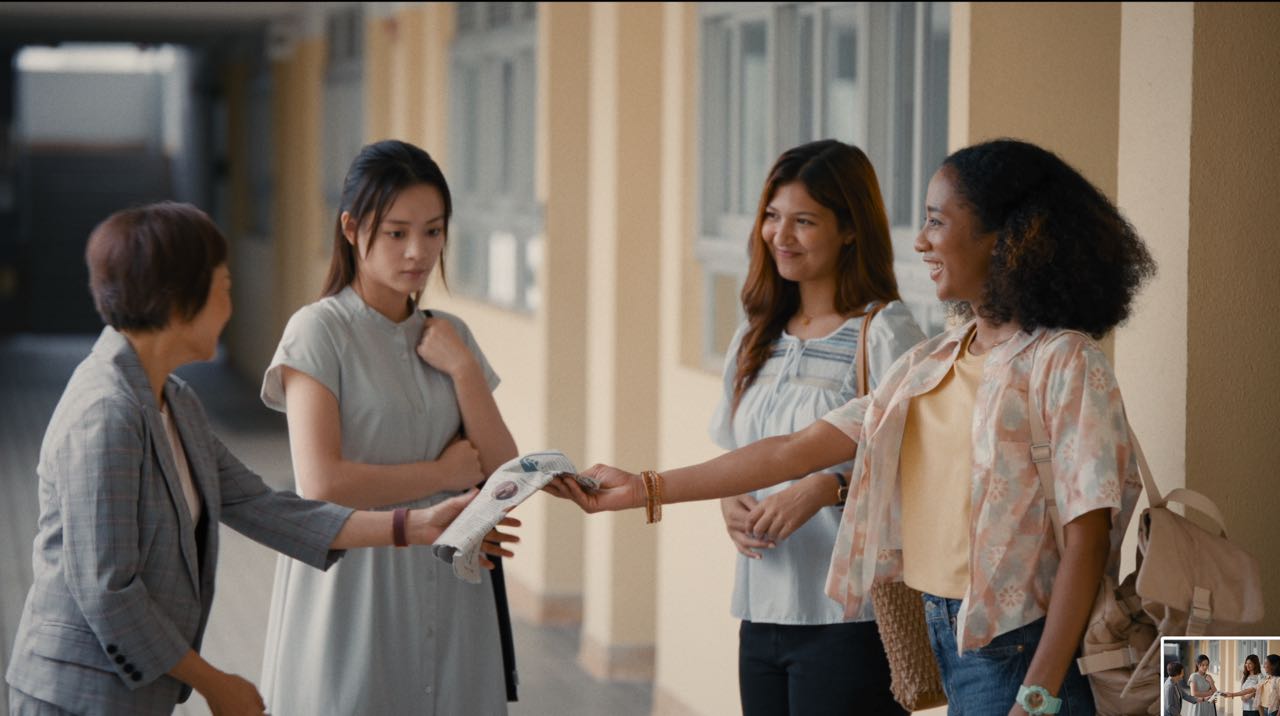
The independent film centers on a local family who moves to Kam Tin, a multicultural neighborhood near the border of mainland China. The father, Chris (Kenneth Cheung), reconnects with his primary schoolmate, Singh (Inderjeet Singh), who lives in the area, and the two plan to set up a new business. Meanwhile, Chris’ teenage daughter Yan (Kristin Tsang) strikes up a friendship with asylum seeker Elem (Darius Dzadu). Amidst this, Yan’s mother Erica (Zhao Yiyi) feels haunted by past experiences, and questions her family members’ newfound relationships.
Hung grew up in the Yau Tsim Mong area, which has the highest population of ethnic minority residents in Hong Kong. While Hung had neighbors of all ethnicities, there weren’t many opportunities to interact with them. “It’s quite divided in Hong Kong,” he said. Hung’s experience is not unique. Hong Kong is home to 619,568 individuals from ethnic minority backgrounds (excluding domestic workers), comprising 8.4% of the population according to the 2021 census. In addition, there are about 15,000 asylum seekers in the city. Yet, the “mainstream” of Hong Kong remains largely homogeneous; non-Chinese communities have struggled for years, subjected to systematic exclusion through segregated education, language barriers, and restricted social mobility. This ostracism eventually perpetuates stereotypes, or worse, hostility, microaggressions, and discrimination accentuated by racial bias.
Hung’s time studying in the US also left an impact on him. “I encountered different people from all walks of life while in New York,” said Hung. He returned to Hong Kong and worked in the film and video industry before becoming a lecturer at a local university and then making two documentaries about African immigrants in the city. Following those projects, Hung felt there were still many stories to tell. Doodh Patti Chai is the result of Hung’s passion for promoting multicultural dialogue and understanding. “[Certain] views on ethnic minorities aren’t accurate. Sometimes, they’re seen in a negative way. Through this film, I hope we can understand each other more deeply and not [treat others] based on stereotypes or [have] preconceived bias,” said Hung.
Through a humanistic, slice-of-life approach sprinkled with lighthearted moments, Hung presents a film that is both educational and genuine. This authenticity is most evident in the casting. Hung shared that this was the first time that Inderjeet Singh, one of Doodh Patti Chai’s main actors, played an Indian character as an Indian. “[Some people in Hong Kong] can’t tell the difference between Indians and Pakistanis. It made me alarmed, but also presented an opportunity to remind viewers,” Hung shared.
Most of Doodh Patti Chai’s cast members were chosen through recommendations or referrals, and some actors even recruited their own family members for supporting roles. Because of this, Hung shot the film “like a documentary,” using wide and still shots. A modest budget further necessitated collaboration across the cast and crew.
“We were like a family doing something together. In the end, we all got to know each other very well,” said Hung. The cast also served as the film’s writers and translators for their respective languages, including Punjabi, Hindi, Urdu, and Igbo.
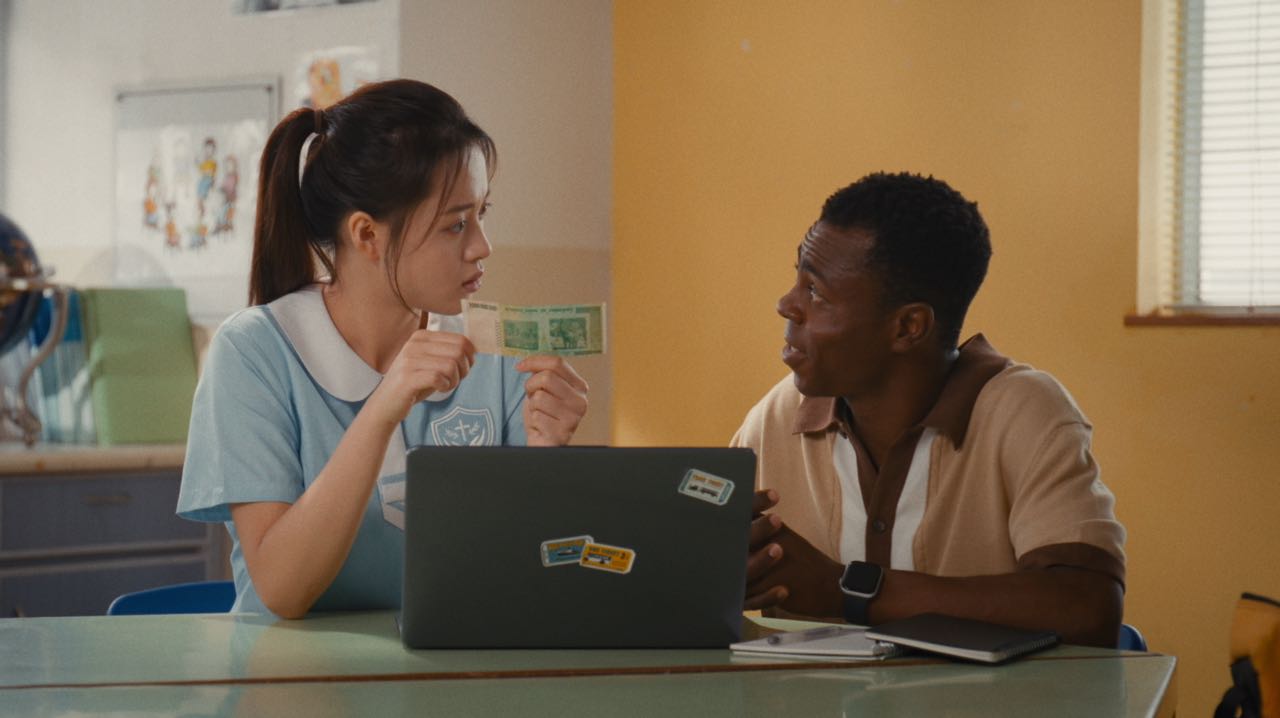
It is thanks to this collaborative process, and his own commitment to “respect[ing] each culture”, that Hung was able to reflect the lived experiences of ethnic minorities. In Doodh Patti Chai, Hung rejects a melodramatic approach and avoids the lens of pity. Instead, he depicts ethnic minority characters as successful in their own rights: one receives a PhD admission overseas, while another works in real estate. In fact, ethnic minorities have contributed significantly to Hong Kong society, with many professionals working in finance, healthcare, and education. Doodh Patti Chai is also one of the few Hong Kong films that gives a voice to the city’s asylum seekers, by giving a fully developed background, dialog, and storyline to the character of Elem.
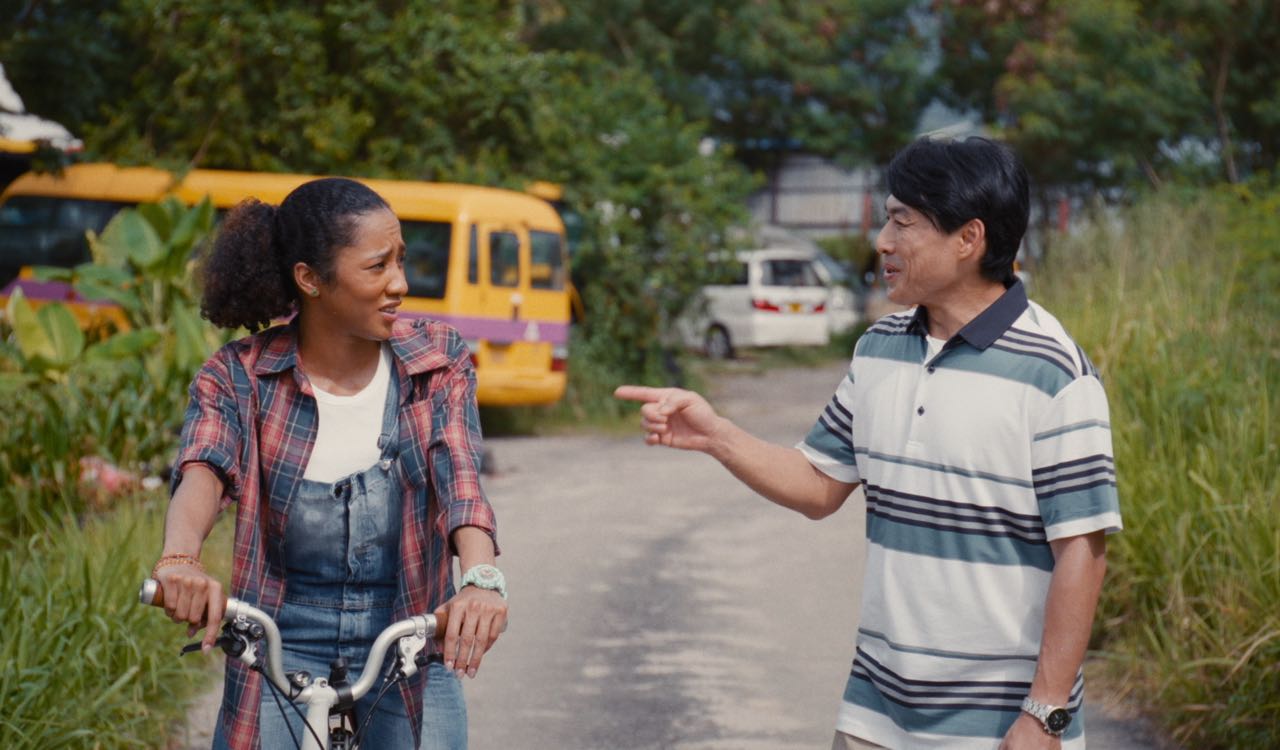
The instances where Doodh Patti Chai addresses stereotypes are intended to show that they exist, followed by direct challenges to correct them, in opposition to years of media-fed systemic bias. It is a step in the right direction, that sets a standard for approaching and depicting diverse stories.
“Film has an important role to show different perspectives from different people around the world. If the audience can think about the issues raised in a film, then that’s a good film,” said Hung.
As a filmmaker, Hung ultimately sees his role as a messenger. To preserve his creative freedom to explore diversity, Hung deliberately chose to make Doodh Patti Chai an independent film instead of a commercial one.
“When I was studying film, my teacher told me that ‘to be a narrator is not to be seen. The most important thing is to be true to your topic.’ That left a strong impression on me. [As filmmakers], we have to focus on making the film, not because of fame or of an award.”
• • •

Let’s Have a Cup of Doodh Patti Chai (Chinese: 來一杯奶葉茶)—Hong Kong. Dialog in Cantonese, English, Hindi, Punjabi, Mandarin (Hubei), French, Igbo. Directed by Brian Hung. First released March 21, 2026. Running time 1hr 9min. Starring Kenneth Cheung, Yiyi Zhao, Kristin Tsang, Inderjeet Singh, Darius Dzadu, Caro Chan, Deepmala KD, Sze Wei.
Let’s Have a Cup of Doodh Patti Chai currently has a selected theatrical run in Hong Kong cinemas.