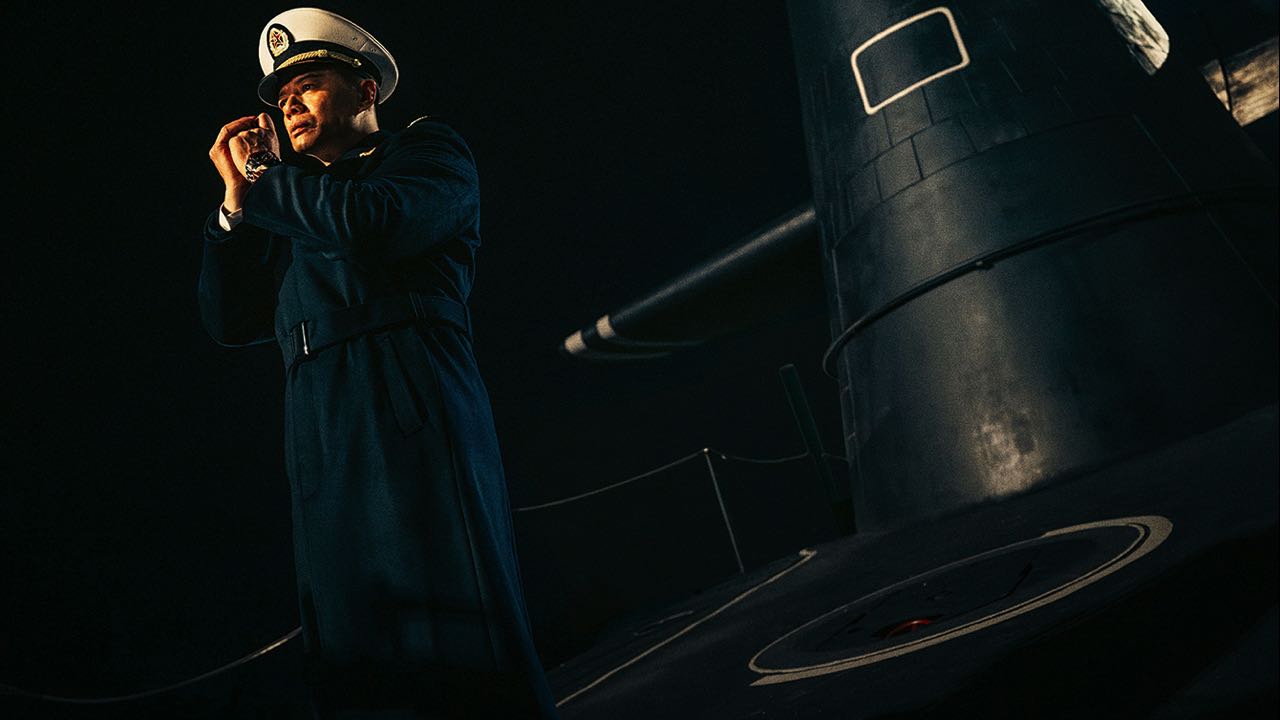
Seven years after military action blockbuster Operation Red Sea dominated China’s 2018 Spring Festival box office, director Dante Lam returned with a sequel titled Operation Hadal—a misfire of epic proportions. Operation Red Sea’s premise of evacuating Chinese nationals from a Yemen-like civil war anchored its jingoism in something resembling geopolitical reality, and evoked comparisons to American war movies like Black Hawk Down and Lone Survivor. On the other hand, Operation Hadal more closely resembles Transformers 3—brainless, big budget, and full of explosions.
The plot of Operation Hadal kicks off when a rogue commander from the fictional “State of Siekerman” (a comically exaggerated stand-in for the United States, presumably) seizes control of an underwater system of nuclear weapons and intends to detonate them to wreak havoc upon China’s southeastern coast. China dispatches its latest nuclear submarine, the Longjing, alongside its elite Jialong naval commando unit (who also featured in Operation Red Sea) to thwart the detonation.
What follows is just over two hours of sub-on-sub combat, as well as sprawling shootouts within not only submarines but also an underwater Siekerman base that looks straight out of a science fiction movie. While naval submarine hulls are undoubtedly armored, the amount of firepower that Operation Hadal’s characters dispense within these pressurized underwater environments seems unrealistically excessive. Sure, there’s small arms fire. But grenades, shaped charges, and even robot dogs with mounted miniguns all make an appearance in these underwater battles, all without causing any breaches to critical life support systems, or ricocheting off the cramped metal surroundings.
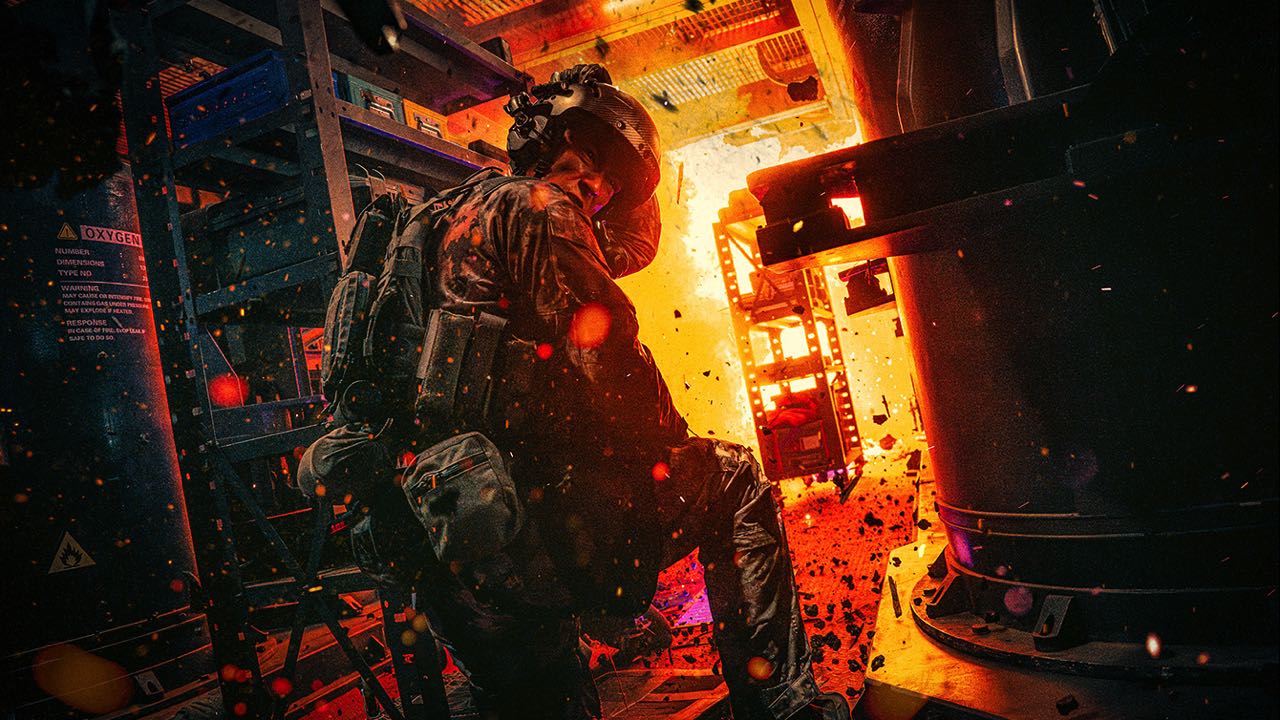
The “regular” submarine sequences are not much better. Those familiar with other examples of the submarine movie genre—say The Hunt for the Red October or Das Boot—will expect silence and claustrophobia to arise as key sources of tension. Operation Hadal seems blissfully unaware of this convention. This Longjing has absurdly large interiors, and its characters yammer away as if they are on a starship instead of a submarine.
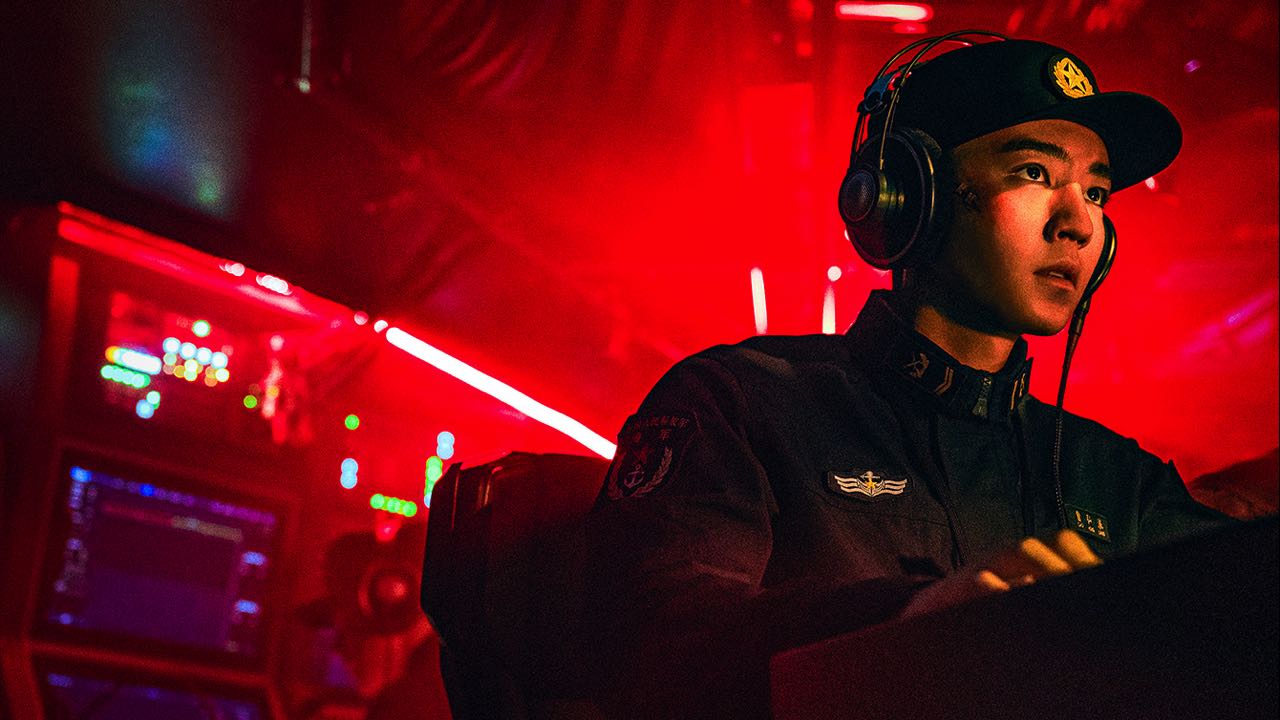
On the note of characters—Operation Hadal throws a large roster of them at the screen and develops almost none of them. There is Meng Chuang (Huang Xuan), the guilt-ridden commando haunted by a death he feels responsible for—a redemption arc telegraphed so heavily in its opening flashback that it practically comes with a spoiler warning. Then there is Cao Honglang (Wang Junkai), the sonar technician with “golden ears” who loses and then recovers his confidence in a manner so perfunctory it barely qualifies as an arc.
The villains, meanwhile, are entirely laughable. The State of Siekerman’s “Walter”—a big burly white man commanding a super-submarine from an undersea lair—belongs less to the tradition of Chinese military cinema than to a campy 1990s Bond film. He has no coherent ideology, no political grounding, and no characteristics beyond “wants to blow things up with nukes”. Operation Red Sea at least set its antagonists within a recognizable (if fictionalized) geopolitical context, and even contained a jab at the US Navy. Hadal’s bad guys might as well be space pirates.
This matters because the value of military cinema—both in terms of entertainment and political utility—has always depended on some degree of plausibility. The more campy and absurd a military film is, the more it looks like a critique of the military-industrial complex. Wolf Warrior 2, for all its chest-thumping, showed Chinese special forces doing things that Chinese special forces plausibly do. Operation Red Sea made the PLA Navy look genuinely formidable. Operation Hadal, by contrast, makes China’s military look like the cast of a sci-fi B-movie. The movie’s technologies and plot points drift so far into uncanny valley quasi-science-fiction—jetpacks, big laser machines, robot dogs with just one convenient weak point—that one cannot take it seriously at all.
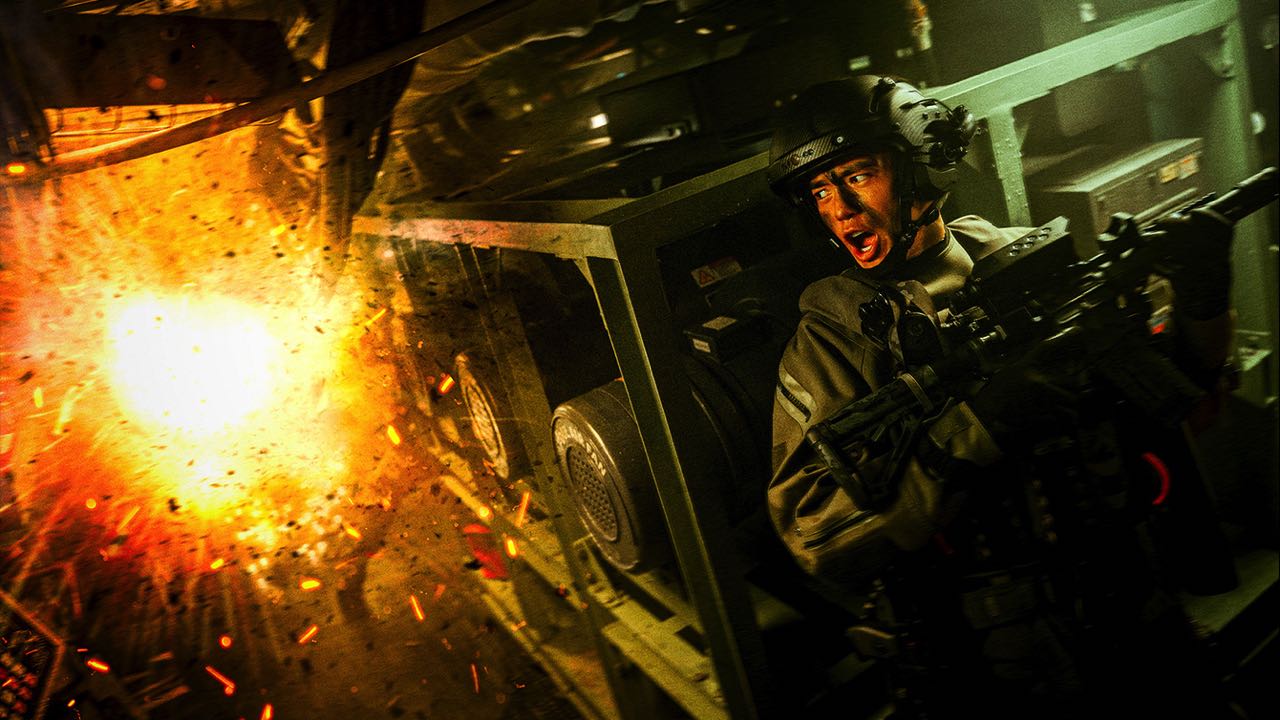
To be fair, the fact that Operation Hadal feels unserious means that it should satisfy any viewers looking for the purest possible expression of expensive, consequence-free explosion cinema akin to the most deranged excesses of Michael Bay. Dante Lam remains a technically capable director of mayhem, and he imbues the movie’s action sequences, whatever their logical failings, with ample energy. If you want to watch things go boom in very deep water, Operation Hadal will oblige you for 146 minutes.
For everyone else, and particularly for those interested in what Chinese military cinema reveals about how Beijing projects power and identity to domestic and global audiences, Operation Hadal is a disappointment that runs deeper than the Hadal zone itself. The title, incidentally, refers to the deepest layer of the ocean—a term most non-oceanographer English speakers will not recognize. The film was previously titled Operation Leviathan, which at least gestured toward something powerful and culturally resonant. That some studio executive decided “Hadal” was the better marketing choice is quite telling, with regards to the movie’s ability to project China’s soft and hard power to global audiences.
• • •

Operation Hadal (Chinese: 蛟龙行动) — China. Mandarin Chinese. Directed by Dante Lam. First released January 29, 2025. Running time 2hr 26min. Starring Zhang Hanyu, Huang Xuan, Wang Junkai, Yu Shi, Duan Yihong, Du Jiang, Jiang Luxia.
Operation Hadal is available for streaming in the United States starting June 14, 2026.