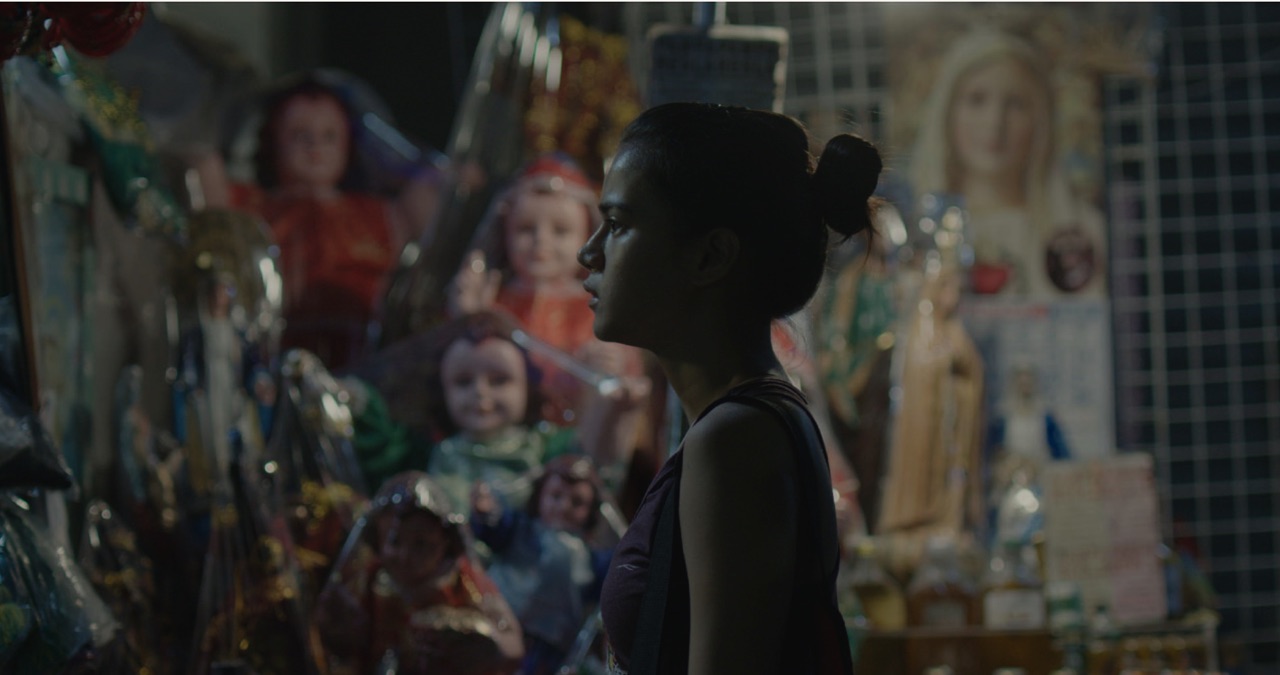
Antoinette Jadaone’s Sunshine is a powerful and unflinching examination of the ongoing teenage pregnancy crisis in the Philippines, anchored by a stunning breakout performance from Maris Racal. The film transcends a simple narrative, offering a poignant and necessary critique of a society grappling with deeply entrenched religious and political views that often leave young women isolated and without agency. Through its raw and unapologetic storytelling, Sunshine doesn’t just present a problem. It takes a stand and demands that we, the viewers, confront it alongside its protagonist.
Where the film truly excels is in its unflinching depiction of the societal and systemic failures that trap young women like Sunshine. The Philippines has the second-highest rate of teenage pregnancy in Southeast Asia, and a 2023 survey by Save the Children Philippines revealed that more than 500 adolescents become mothers each day, some as young as ten years old. Sunshine masterfully illustrates the intense personal isolation behind these numbers by using the accessible medium of sports. As an athlete, Sunshine is buoyed by the cheers of friends and peers. However, as a pregnant young woman, she receives no support, leaving her absolutely isolated. The film starkly contrasts the communal celebration of her athletic success with the solitary shame she is expected to bear as a mother-to-be, a burden made heavier by a boyfriend who, despite being the baby’s father, chooses to remove himself from the picture.

Sunshine’s narrative also confronts the criminalization of abortion and lack of sex education in the Philippines, where young women are forced to seek abortion pills or “faith healers”—which are not only illegal but also extremely dangerous. In Sunshine, Jadaone highlights the irony of this oppressive reality by setting parts of the story in Manila’s Quiapo district, which is simultaneously home to one Philippines’ most popular churches and a hotbed for vendors selling dubious abortion products. This juxtaposition is a powerful commentary on the hypocrisy of a system that offers condemnation but little practical support.
The film’s creative choices further amplify its emotional impact. The inclusion of an “imaginary friend,” who can be interpreted as either Sunshine’s unborn child or her own inner child, is a masterful touch. This device poignantly illustrates Sunshine’s own arrested development and her struggle to reconcile her youth with the immense weight of her decision. The sound design by Vincent Villa is equally noteworthy, contrasting the quiet intensity of the gymnasium with the chaotic, vibrant sounds of Manila’s streets, immersing the viewer in Sunshine’s disorienting world.
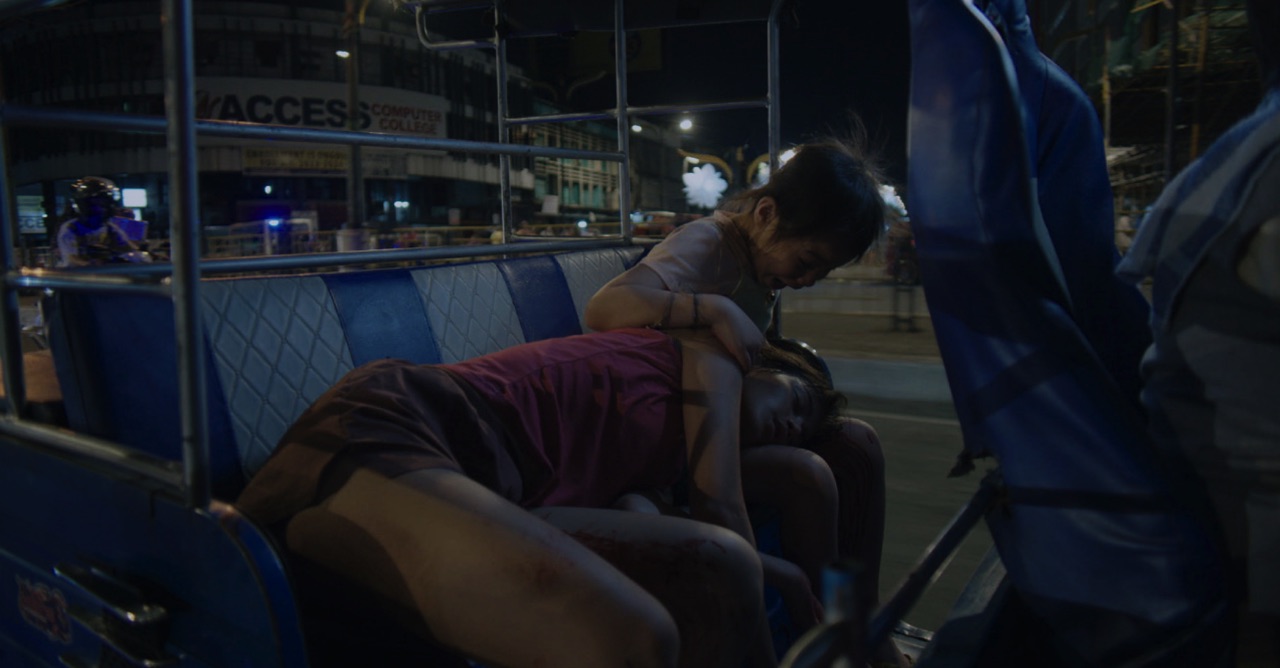
Sunshine is an impactful film that uses a personal story to illuminate the crisis of teenage pregnancy in the Philippines. It is especially praiseworthy how Jadaone approaches the subject of abortion and a young woman’s stolen agency not as an abstract political debate, but through an authentically female lens, demanding empathy rather than judgment. This perspective, combined with a visceral, almost documentary-like style from cinematographer Pao Orendain, forces the audience to bear witness to Sunshine’s struggle, making it impossible to remain a passive observer. The film firmly takes a stand, not by providing easy answers, but by demanding understanding for the countless young women whose voices are so often silenced. Sunshine is more than just a film; it is a call to action that shows why we as viewers must take a stand as well.
• • •

Sunshine—Philippines. Dialog in Tagalog and English. Directed by Antoinette Jadaone. First released September 13, 2024 at the 49th Toronto International Film Festival. Running time 1hr 32 mins. Starring Maris Racal, Annika Co, Jennica Garcia, Meryll Soriano, Elijah Canlas, Xyriel Manabat.
This article is part of Cinema Escapist‘s dedicated coverage of the 2025 New York Asian Film Festival.