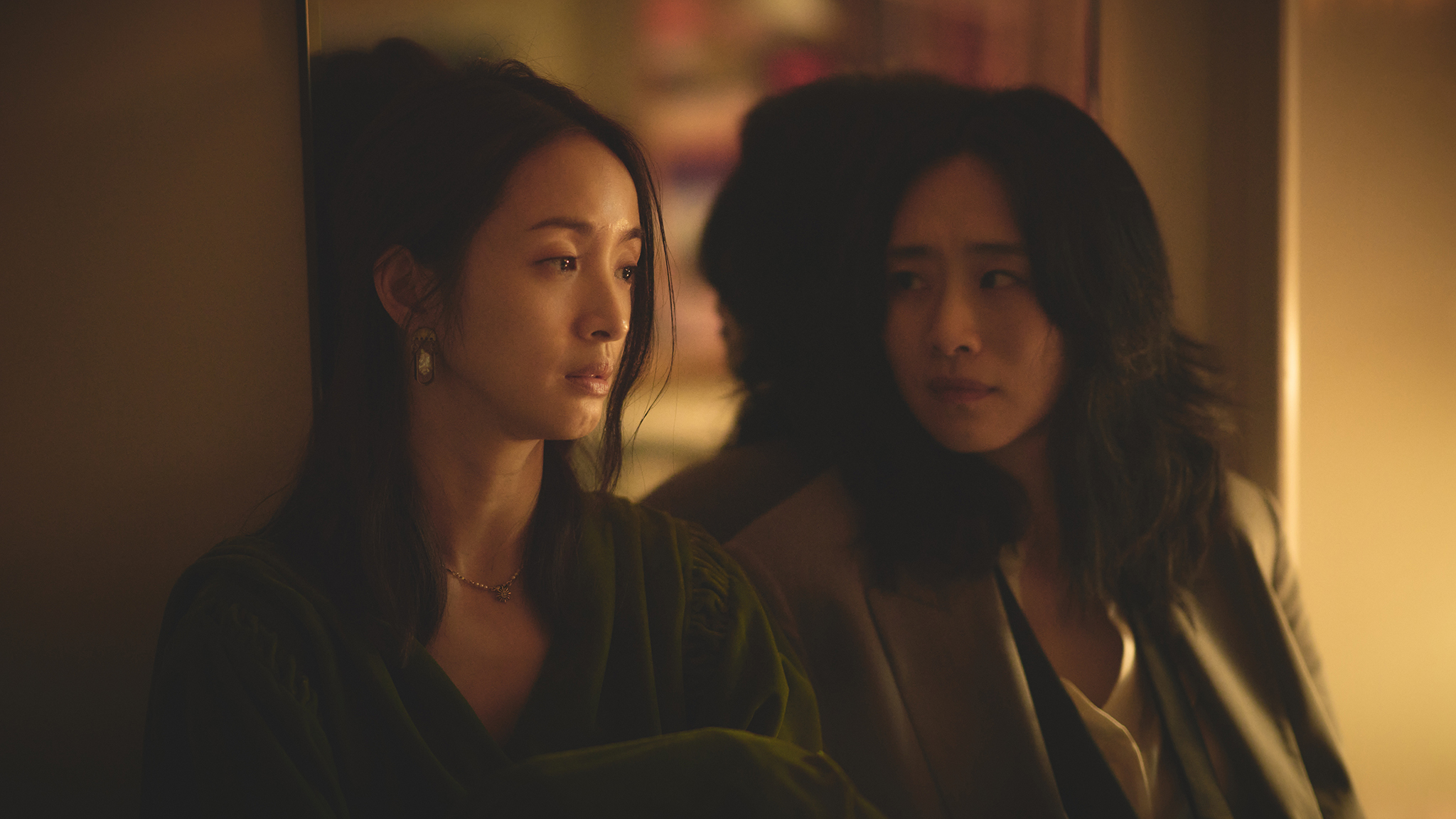
The compelling and atmospheric—though sometimes uneven—film Blind Love represents the latest Taiwanese production to explore queer desire from one’s parents. This topic has gained momentum since Taiwan became the first country in Asia to legalize gay marriage in 2019; 2018 blockbuster Dear Ex is the most prominent example with its story about a son dealing with his bisexual father’s death, though other examples like The Time of Huan Nan and Small Talk have also gained critical attention.
While those other films portray father-son and mother-daughter dynamics, Blind Love breaks new ground in featuring a mother-son relationship. The movie follows high schooler Han and his mother, Shu-yi. Shu-yi has a distant emotional relationship with her doctor husband, Feng, who is highly careerist and seems to see family interactions mostly in light of how it makes him look in terms of his public reputation.
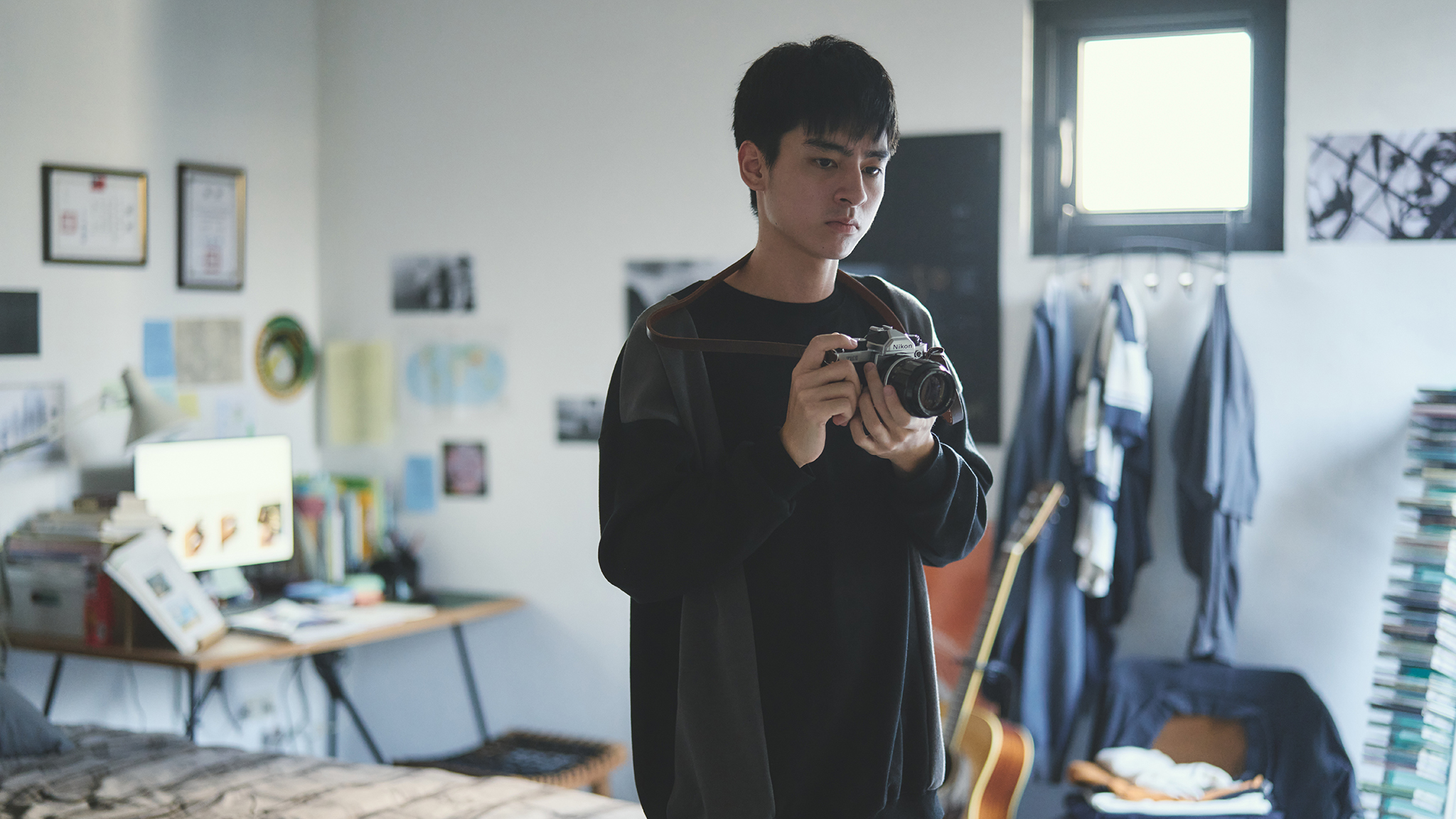
Han becomes romantically fascinated with Xue-jin, an older neighbor of a close friend who works as an eye doctor and is a hobbyist photographer. But as it turns out, Xue-jin is an old flame of his mother’s.
Though a love triangle involving both a mother and son could easily veer into awkward territory, Blind Love handles this dynamic tastefully. Xue-jin, who is initially unaware that Han is Shu-yi’s son, is attracted to the same qualities in Han as she saw in Shu-yi. Shu-yi and Xue-jin are both depicted as women caught in a patriarchal system that they struggle against, one that largely disapproves of queer relationships.
Notably, Blind Love is set during the same period as political contention about marriage equality in Taiwan, before its eventual legalization. Even so, the movie quickly acknowledges that attitudes about social discrimination existed before the marriage equality movement, and continue to exist after.
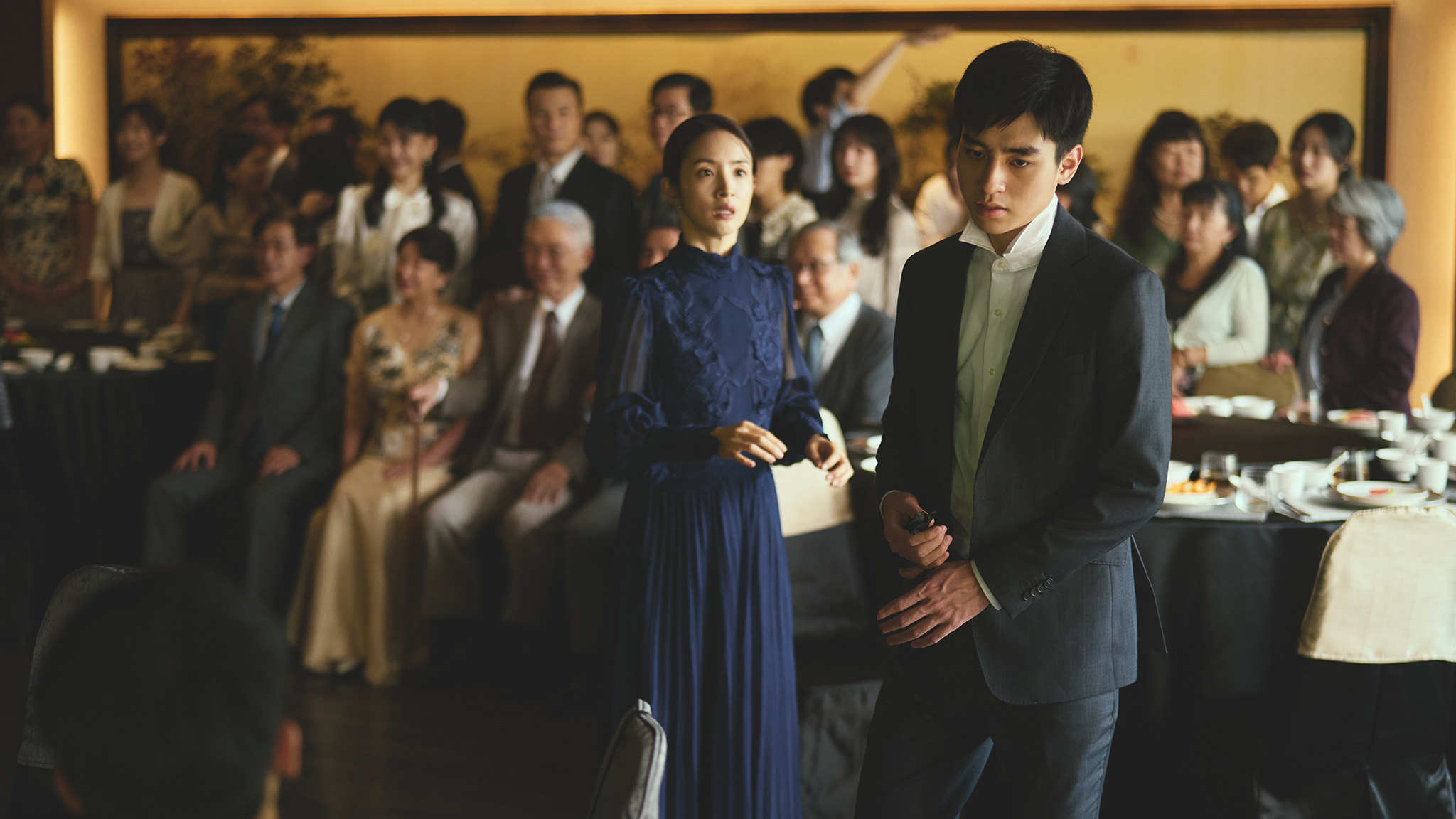
Where Blind Love shines is with regard to its depiction of an emotionally sterilizing marriage, as well as the set of heteropatriarchal values that entraps its characters. Although Feng—played solidly by Frederick Lee as more or less the embodiment of patriarchy in the movie— gets an unsympathetic presentation, the movie handles character interactions with great deftness. To this extent, whether it is Wu Ke-xi’s turn as Xue-jin, Ariel Lin’s Shu-yi, or Jimmy Liu’s Han, all characters in the movie are capably acted.
If Blind Love has a flaw, it is perhaps for not sticking the ending. Although the film already clocks in at two-and-a-half hours, this does not seem to be enough time to comfortably wrap up all of its different narrative threads. As such, the ending comes across as a bit sudden and abrupt, with a lack of emotional resolution for several key characters.
Even so, Blind Love is one of the stronger entries in Taiwanese movies in recent memory. The movie carries itself because of its powerful ability to conjure mood and sentiment, along with strong acting.
• • •

Blind Love (Chinese: 失明)—Taiwan. Dialog in Mandarin Chinese. Directed by Julian Chou. Running time 2hr 25min. First released February 6, 2025. Starring Ariel Lin, Wu Ke-xi, Jimmy Liu, Wang Yu-xuan.
Blind Love is available for streaming on Film Movement Plus starting June 19, 2026 in the United States.
This article is also published in No Man Is An Island, an online publication focused on the connections between everyday life and politics. No Man Is An Island is brought to you by the team behind New Bloom Magazine.