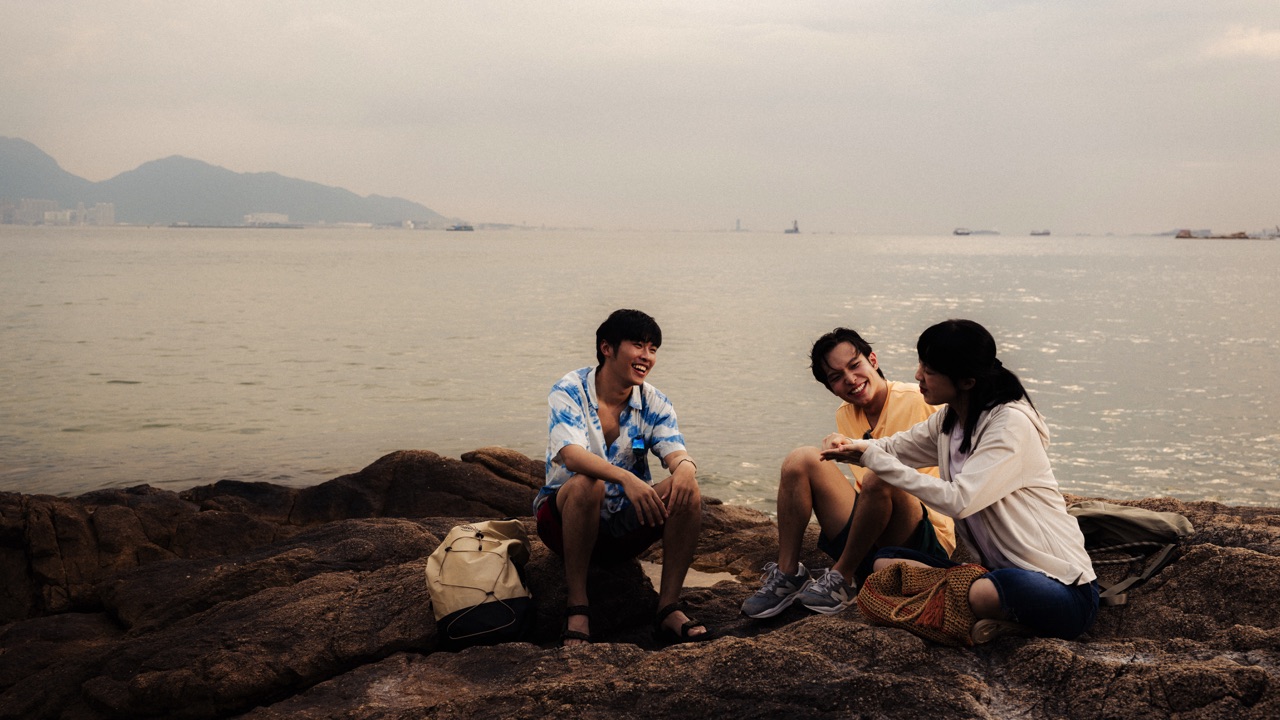
The Way We Talk starts off uneven but ends strong, as a nuanced look at deaf young people in contemporary Hong Kong.
Protagonist Sophie begins the film as a brand ambassador for cochlear implants. After meeting photographer Alan, who is also deaf, she finds herself unexpectedly in conflict with Alan’s best friend, Wolf. Namely, Wolf is offended after Sophie touts cochlear implants in a speech, praising that cochlear implants can one day rid the world of deaf people.

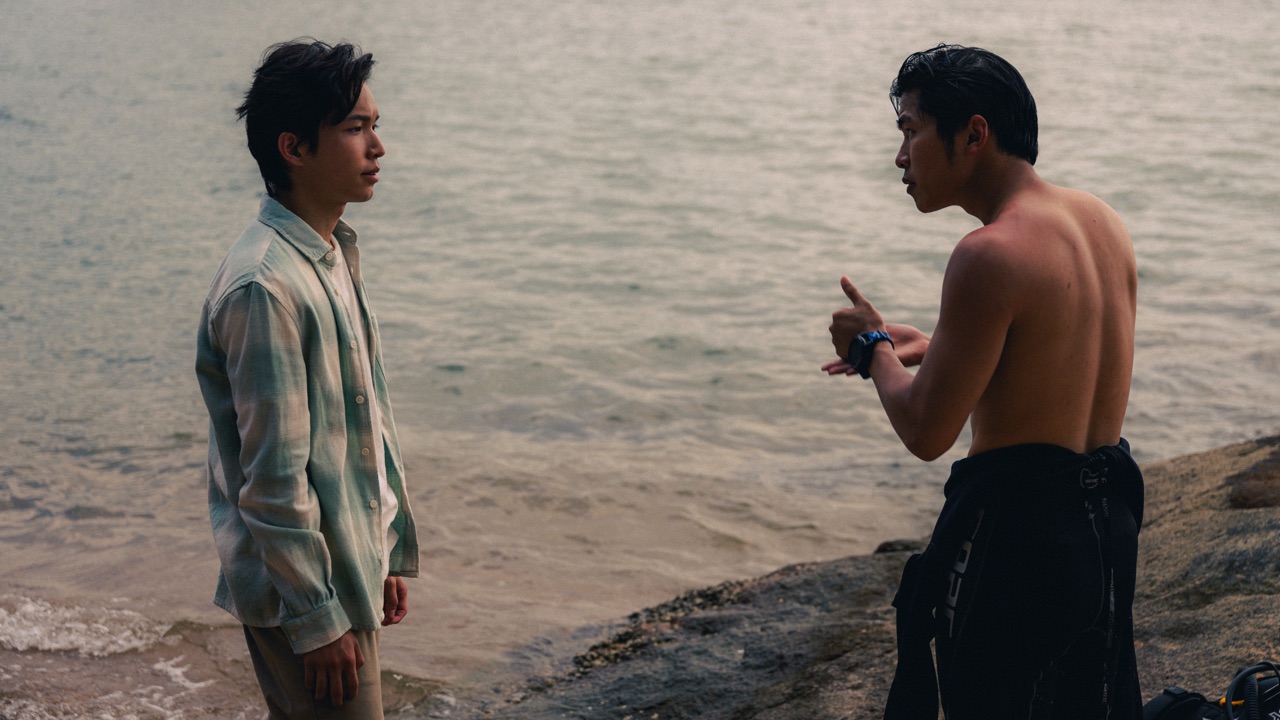
In contrast to Alan and Sophie, Wolf does not have cochlear implants, and he primarily communicates using Hong Kong Sign Language, taking pride in his language skills and identity as a deaf person. Though Alan frequently uses cochlear implants, he is also fluent in Hong Kong Sign Language, while Sophie does not know how to sign fluently.
This encounter leads Sophie to begin to learn how to sign, questioning her previous assumptions about her identity as a deaf person and her choice in means of communication. Eventually making up with Wolf, Sophie begins to regularly practice signing with the two friends– deciding not to repair her cochlear implant after it begins to have mechanical issues in order to focus on signing. In the meantime, Sophie appears to also develop feelings for the headstrong Wolf who, in addition to preferring sign language, seems to feel a sense of difference from his other two friends as a working-class car washer who dreams of becoming a professional diver one day.
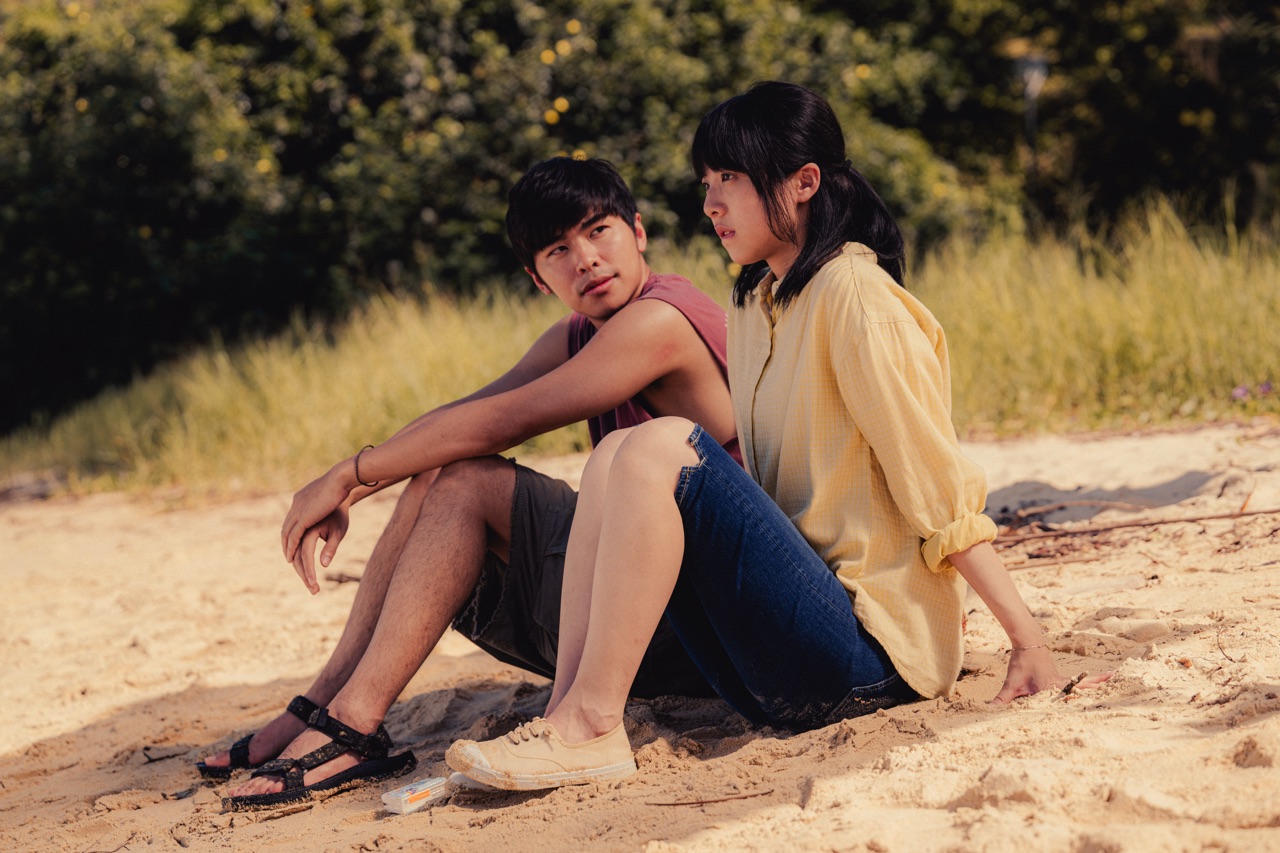
The Way We Talk starts off a bit shaky, in that the set-up of its plot seems a bit forced. But this quickly settles into a naturalistic, humanistic tone. In examining the differences within the deaf community, as well as the dynamics of deaf culture, The Way We Talk is a stand-out film.
One notes that The Way We Talk employs only some deaf actors. Marco Ng, who plays Alan, is in fact deaf, while Neo Yau, who plays Wolf, is not. Chung Suet Ying, who plays Sophie, is also not deaf, but is fluent in sign language due to having deaf family members. Otherwise, a number of deaf characters who are extras are deaf.
In this sense, it is sometimes clear tonally that The Way We Talk is still a film produced by and for individuals who are not deaf, so as to shed light on deaf culture. Even so, The Way We Talk does its best to convey the different aural worlds of its three protagonists through its sound design, which proves highly effective. Similarly, ensemble scenes of deaf individuals signing with each other successfully convey visually what should be a rather basic fact–that each and every user of sign language has their own unique and individual way of communicating, just as is true of users of spoken languages.
To be sure, the basic plot of The Way We Talk with its central trio of Sophie, Alan, and Wolf, is not particularly original and at times seems somewhat cookie-cutter. This is perhaps what keeps The Way We Talk from being a truly great film. Regardless, The Way We Talk proves a noteworthy film among contemporary Hong Kong cinema, as a humanistic and well-balanced look at deaf culture in Hong Kong and social issues in the deaf community.
• • •

The Way We Talk (Chinese: 看我今天怎麼說)—Hong Kong. Dialog in Hong Kong Sign Language and Cantonese. Directed by Adam Wong. Running time 2hr 12min. First released 12 October 2024. Starring Neo Yau Hawk-Sau, Chung Suet-Ying, Marco Ng.
This article is part of Cinema Escapist‘s dedicated coverage of the 2025 New York Asian Film Festival.
This article is also published in No Man Is An Island, an online publication focused on the connections between everyday life and politics. No Man Is An Island is brought to you by the team behind New Bloom Magazine.