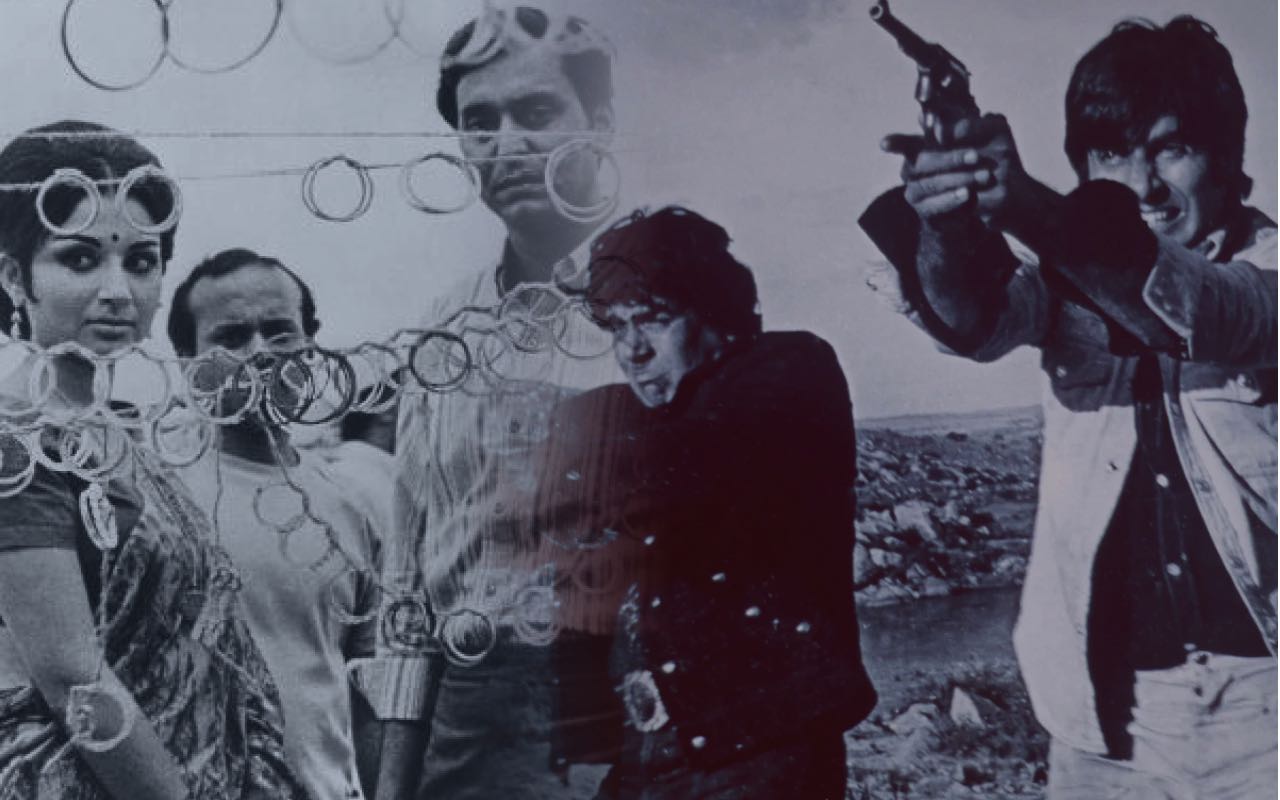
In addition to showcasing new films, film festivals can carry on the legacy of film history, introducing older classics and undiscovered gems to a wider audience. This year, the Toronto International Film Festival screened remastered versions of two vastly different works of Indian cinema: Sholay, the musical epic that became a blockbuster sensation, and Days and Nights in the Forest, an underseen gem from Bengali auteur Satyajit Ray.
Sholay: A Blockbuster Sensation

Few Indian movies are as much fun as Sholay, a three-and-a-half-hour Indian action-adventure musical blockbuster epic. The film follows two friends, Veeru (Dharmendra) and Jai (Amitabh Bachchan), who are recruited by police officer Thakur (Sanjeev Kumar) to get rid of Gabbar Singh (Amjad Khan), a notorious bandit who has been terrorizing Thakur’s village.
Sholay is a defining example of the masala film, an Indian subgenre blending together multiple genres. Sholay mixes together elements of Spaghetti westerns, Japanese chanbara (samurai films), Indian dacoit (armed robber) movies, romantic comedy, musicals, and more. Just like it sounds, it is a LOT of movie.
Sholay’s enormous scope and scale isn’t always to its benefit, such as when it seemingly drops all stakes around the 2.5-hour mark to focus on romantic hijinks, but the majority of the film holds up to this day and it is easy to see why it remains a crowd-pleasing favorite. Try to watch the two heroes riding a motorcycle while singing “Yeh Dosti Hum Nahin” without being charmed—impossible.
Directed by Ramesh Sippy, Sholay is full of genuinely exciting filmmaking. Handheld cameras and tight editing are used to create excitement during the action scenes, the Leone-influenced aesthetic sets the tone, and there are many moments of visual splendor: shots of horses silhouetted against a red sun, a conversation between our two leads framed before an incredible cliffside vista, or a Holi musical number bursting with colour.

Despite initially debuting to a muted reception, Sholay’s positive word-of-mouth led to record-breaking popularity and it quickly became the highest grossing Indian film ever. Adjusted for inflation, it remains one of the highest grossing Indian films of all time.
To celebrate the 50th anniversary of Sholay, a new 4K restoration by the Film Heritage Foundation, in collaboration with Sippy Films, premiered at the 2025 Toronto International Film Festival. Director Ramesh Sippy, accompanied by his wife, was present for the special screening at TIFF’s Roy Thomson Hall. Five decades after its first release, Sholay continues to delight audiences around the world.
Days and Nights in the Forest: An Undiscovered Gem

As explored in our 2024 retrospective, Satyajit Ray is one of India’s most talented directors. However, Days and Nights in the Forest is underseen, relative to Ray’s more popular works like the Apu trilogy or The Big City. According to TIFF Senior Programmer Andréa Picard, this lesser-known film now emerges as a masterwork, thanks to this stunning new restoration.
This restoration was greatly supported by beloved director Wes Anderson, who came to the World Cinema Project hoping to restore this film, not knowing that Janus Films and Criterion had already been working on a restoration for almost five years with the Film Heritage Foundation after finding the original negative in an old rice closet in Kolkata. Anderson has proclaimed himself a huge fan of Ray’s work, and of this film specifically, saying “anything signed Satyajit Ray must be cherished and persevered, but the nearly-forgotten Days and Nights in the Forest is a special gem”. Wes also confessed to “stealing” the memory game scene for his film Asteroid City.
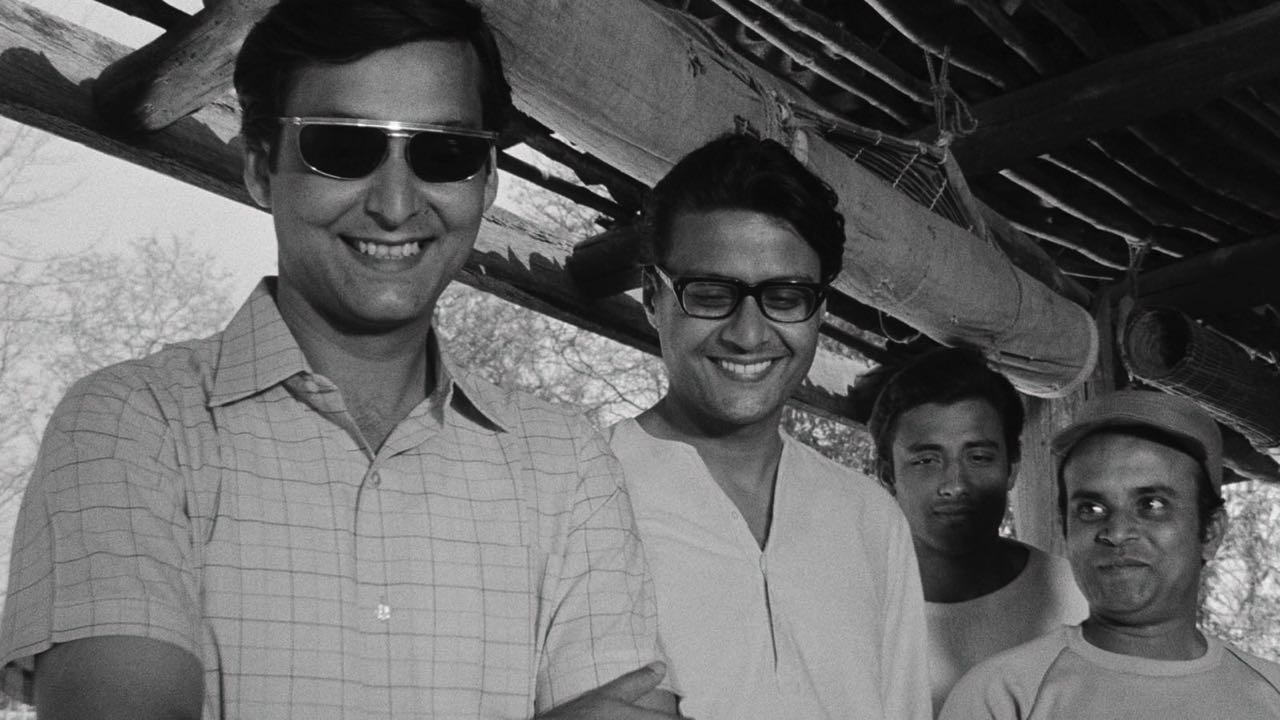
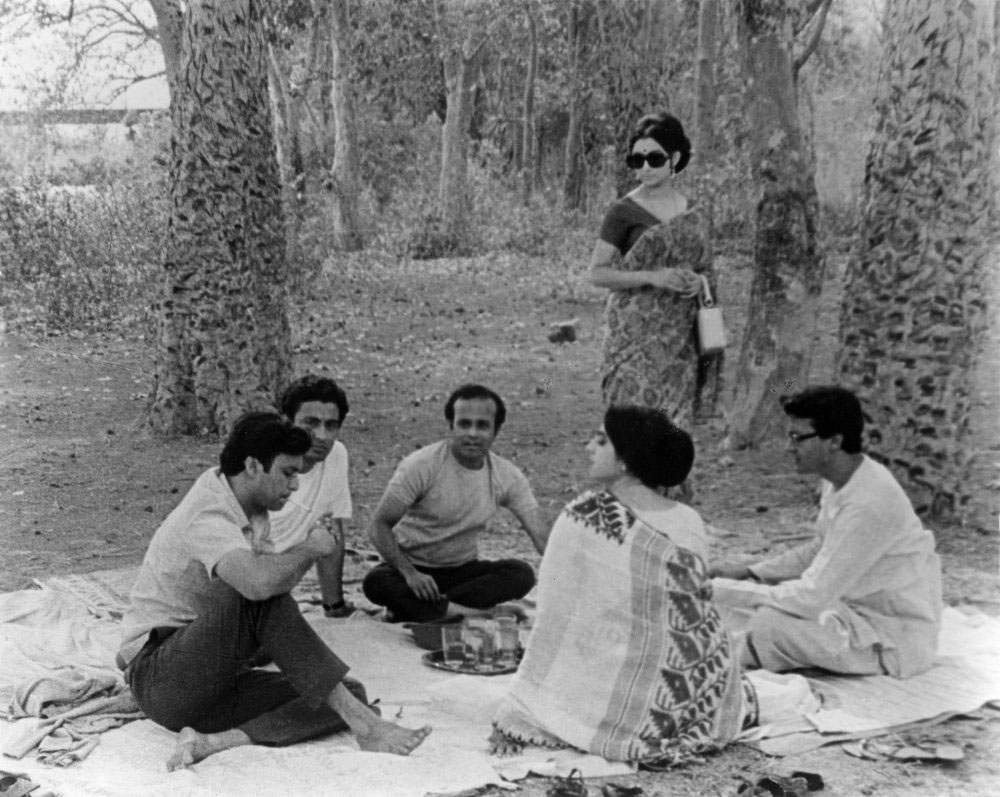
It is easy to see why Days and Nights in the Forest is beloved by many. The film is a comic portrait of four bourgeois Indian men, following them as they go on holiday in the Palamau forest, only to encounter three young women who challenge their ideals. It is Ray at his funniest, without sacrificing depth, balancing breezy charm with reflections on caste structures in Indian society. We also see the colonial influence on these four men, as they make references to Western pop culture, speak English phrases, and pride themselves on only drinking imported scotch. The class commentary is obvious: with their disdain for “tribal women” and their obliviousness to the poor watchman and his peasant family, they come across as wealthy fools.
As with all of Ray’s films, Days and Nights in the Forest is languidly paced and beautifully shot, with Ray operating the camera himself and meticulously storyboarding the film by location. He rarely believed in retakes, believing that every take offered something different and unique. This authenticity is evident on screen, and the character interactions feel organic. The restoration itself is crisp and clear, capturing the richness of Ray’s cinematography.
With this new addition to the world cinema canon, many more film fans may join Wes Anderson in counting Days and Nights in the Forest as one of Ray’s best works.
Restorations and Festival Screenings
New restorations of older films are essential to preserving works of art for future generations, and retrospective screenings at festivals like TIFF are essential for allowing new generations to discover these old masterworks. These two restorations play very well in cinema and are great additions to the legacy of Indian cinema, giving old films new life and ensuring they will endure in the hearts of film fans for years to come.
This article is part of Cinema Escapist’s dedicated coverage of the 2025 Toronto International Film Festival.