My Sunshine is an extraordinary film from wunderkind director Hiroshi Okuyama. The movie is Okuyama’s second feature after his 2018 film Jesus–which he shot while still a college student, and drew critical attention from Hirokazu Kore-eda, among other luminaries.
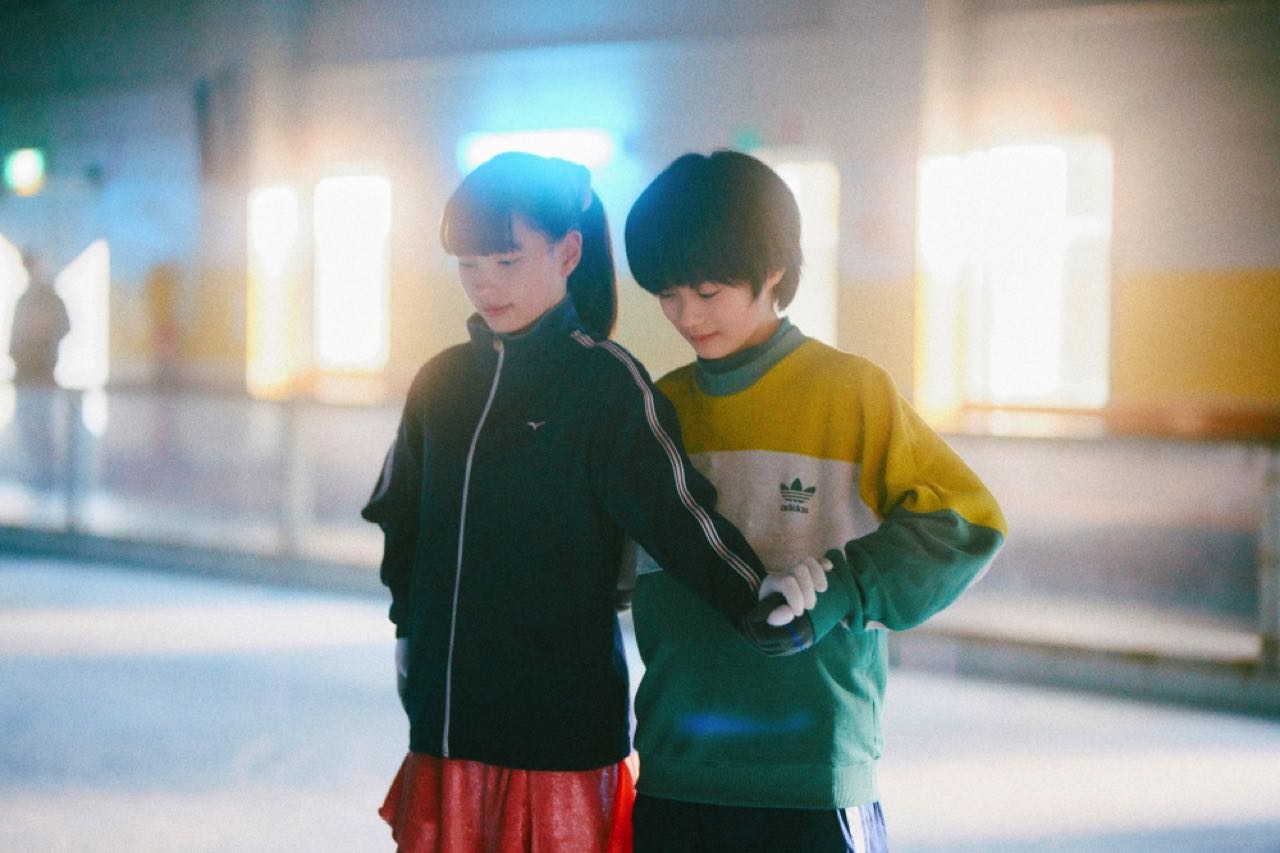
My Sunshine follows a trio of characters: the socially awkward and introverted middle schooler Takuya, his talented figure skater classmate Sakura, and skating coach Arakawa. Takuya, who is painfully shy, bullied, and often stutters, has a crush on Sakura. He is drawn to figure skating because of Sakura’s grace while practicing.
Arakawa, a former competitive skater who seems to have grown cynical about the sport even as he coaches Sakura, takes notice. After initially just taking pity on Takuya, Arakawa finds himself putting more and more energy into training the awkward boy, and becomes his mentor. Takuya, then, is able to gradually discover himself through figure skating practice, and gain motivation beyond just his crush on Sakura.
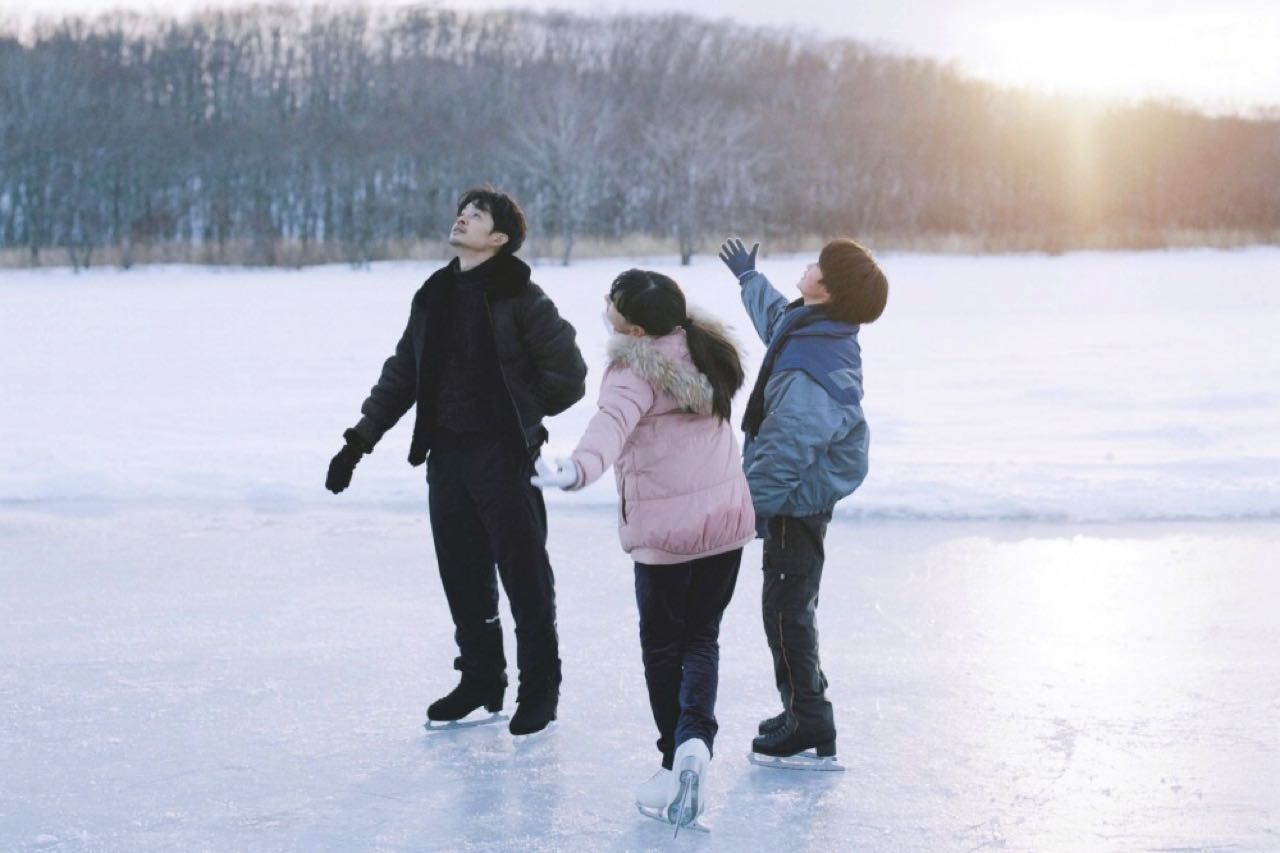
Arakawa, in the meantime, has his own struggles. Apart from his growing disinterest in figure skating, Arakawa has to conceal that he is gay from the small rural Hokkaido community that he resides in. And though he moved to Hokkaido for his boyfriend’s sake, he finds himself increasingly listless in his relationship. Perhaps hoping that the two teenagers he mentors can become friends, or hoping to make up for what he lacks in his own life, Arakawa eventually hits on the idea of pairing up Takuya and Sakura as ice dancing partners, setting into motion the events of the movie.
As a character drama, My Sunshine mostly utilizes figure skating as a vehicle for character development, and uses the sport as a lens to discuss gendered social dynamics. But what proves most immediately noticeable about My Sunshine is the immense acting talent of the three main characters. Keitatsu Koshiyama as Takuya is convincingly both awkward and adorably charming, while Kiara Nakanishi as Sakura and Sosuke Ikematsu as Arakawa both manage to say a thousand words with only their facial expressions.
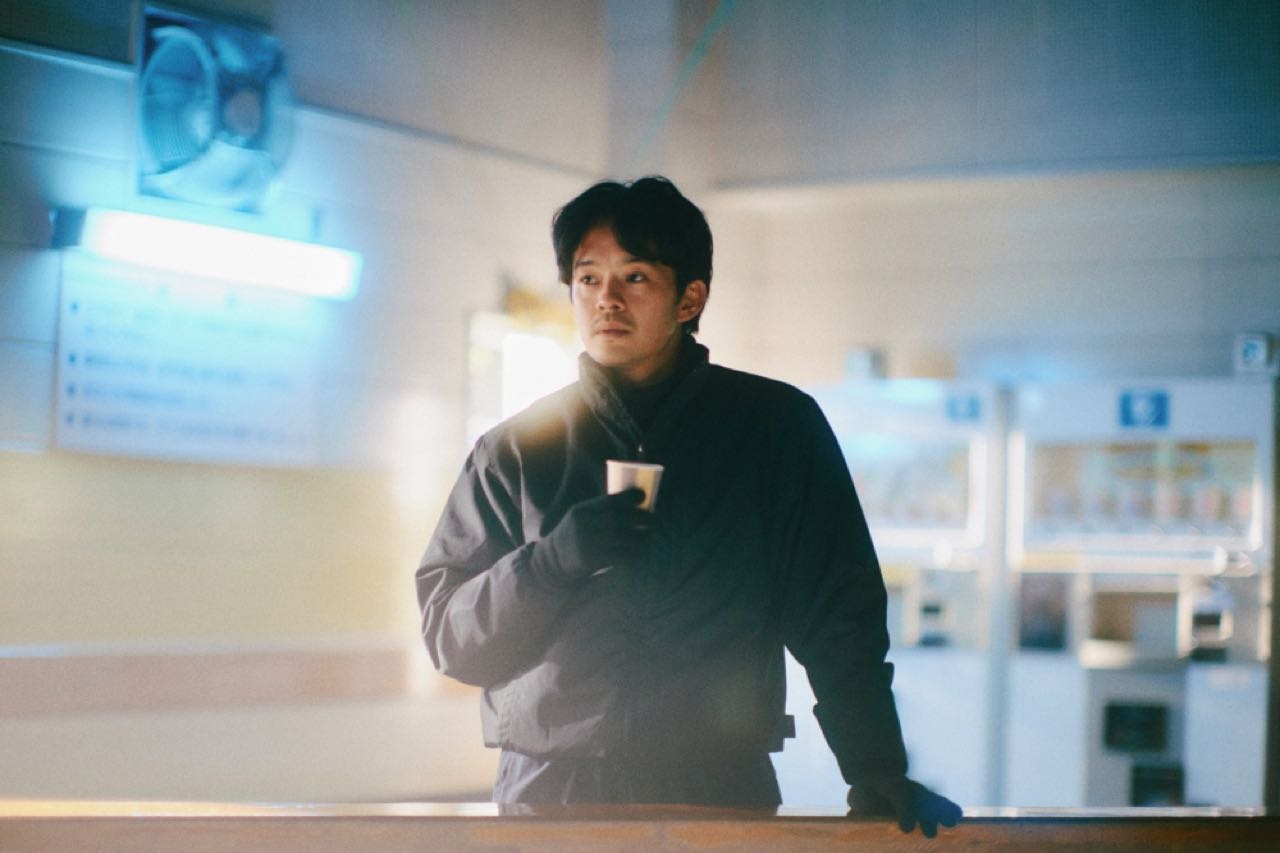
Okuyama reportedly did not give My Sunshine’s child actors any script, and allowed them to improvise. This resulted in simultaneously naturalistic and cinematic performances. It then follows that Okuyama shot the movie in a way that manages to be both dramatic when it needs to be and restrained at other moments. Moreover, though it emerges that Arakawa is the main protagonist of the movie, Okuyama makes the interesting stylistic choice to start with the perspectives of Takuya and Sakura before introducing Arakawa. This adds to the richness of the movie, by contrasting the different viewpoints of adulthood and childhood.
My Sunshine is not perfect, as its female characters come off as a bit lacking in development and unsympathetic. Some plot details could also be further developed. For example, the movie does not sufficiently depict Arakawa’s relationship with his boyfriend, making the moments that mention that relationship feel abrupt.
Yet, the film proves stronger than the sum of its parts. It represents a strong and memorable entry in contemporary Japanese cinema, and an outstanding sophomore effort from Okuyama. With My Sunshine, Okuyama distinguishes himself as a rising director to keep an eye on.
• • •

My Sunshine (Japanese: ぼくのお日さま)—Japan. Dialog in Japanese. Directed by Hiroshi Okuyama. First released May 18, 2024 at the Cannes Film Festival. Running time 1hr 40min. Starring Keitatsu Koshiyama, Kiara Nakanishi, Sosuke Ikematsu.
This article is also published in No Man Is An Island, an online publication focused on the connections between everyday life and politics. No Man Is An Island is brought to you by the team behind New Bloom Magazine.
My Sunshine screens in select US theaters starting September 19, 2025.