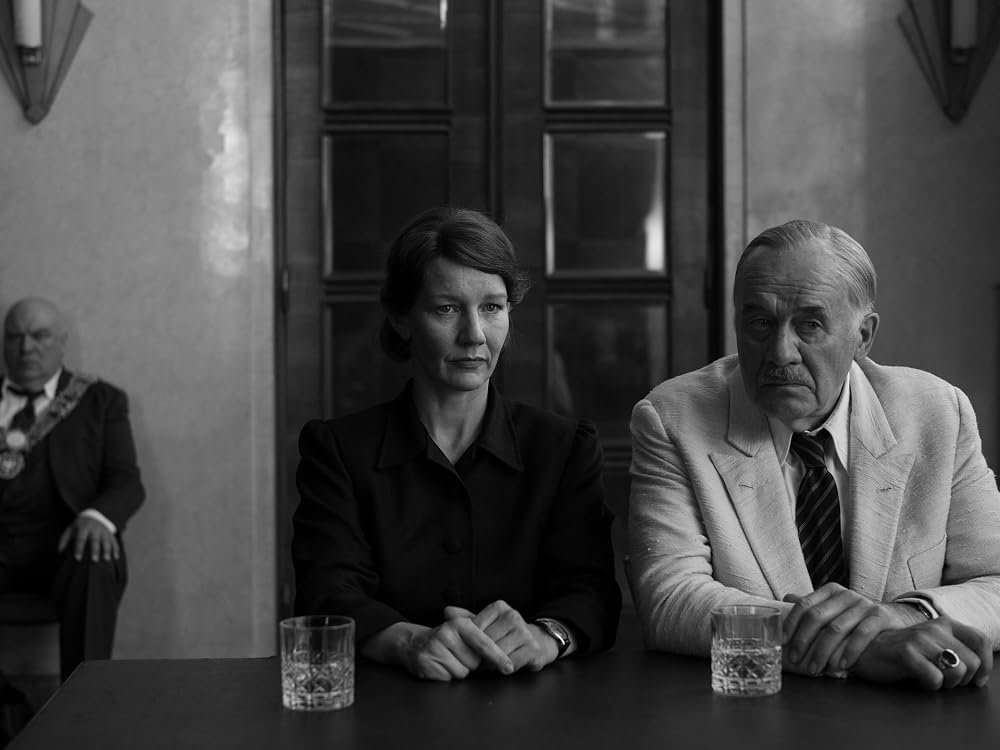
Set in the immediate aftermath of WWII, Fatherland feels like familiar territory for director Paweł Pawlikowski. This is his third black-and-white period drama shot in 1.37:1 aspect ratio, featuring characters navigating their complicated relationship and reckoning with the aftermath of WWII. We love a director with a consistent style and recurring themes—just look at what Yasujiro Ozu did with the intimate family drama or Satyajit Ray‘s continued exploration of class and family in Bengali society. However, fans of Pawlikowski may find Fatherland to be the least compelling of his recent trio of historical films (which includes 2013’s Ida and 2018’s Cold War).
Fatherland centers on Thomas Mann (played by Hanns Zischler), the celebrated German novelist and Nobel laureate who fled to America from the Nazis, as he returns home to post-war Germany to receive a literary award. Accompanying him is his daughter Erika (played by Sandra Hüller), who is both loyal to her father and deeply conflicted by his apparent silence in the lingering shadow of fascist Germany. As they travel through the country, both are forced to reckon with the implications of life in a place that looks very different from the one that they used to know.
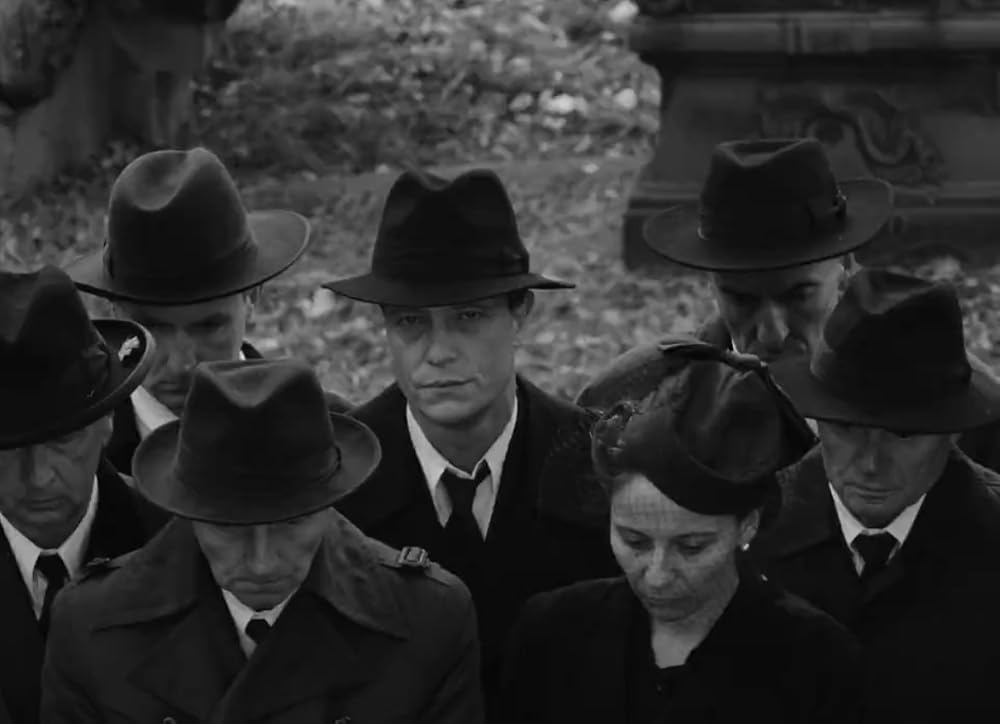
Winning Pawlikowski the Best Director award at the Cannes Film Festival, the technical craft behind Fatherland is undeniable. The film is beautifully shot: Pawlikowski and his talented DP Łukasz Żal are masters of creating immaculately composed, black-and-white frames. Their previous collaborations in Ida and Cold War both feature some of the best B&W cinematography of the 2010s. Here, Pawlikowski and Żal make great use of the uncanny disquiet that comes from seeing rows of heads geometrically composed in an audience or watching children’s choirs sing fascist anthems.
The cast is also formidable, particularly Sandra Hüller, who became a household name among cinephiles worldwide following the successes of Zone of Interest and Anatomy of a Fall in 2023. 2026 is another stacked year for Hüller, who is acting in four films: Fatherland, Austrian fall festival release Rose, as well as the two American productions Project Hail Mary and Digger. In Fatherland, she delivers another reserved, steely performance with one or two explosions to showcase her powerful range.
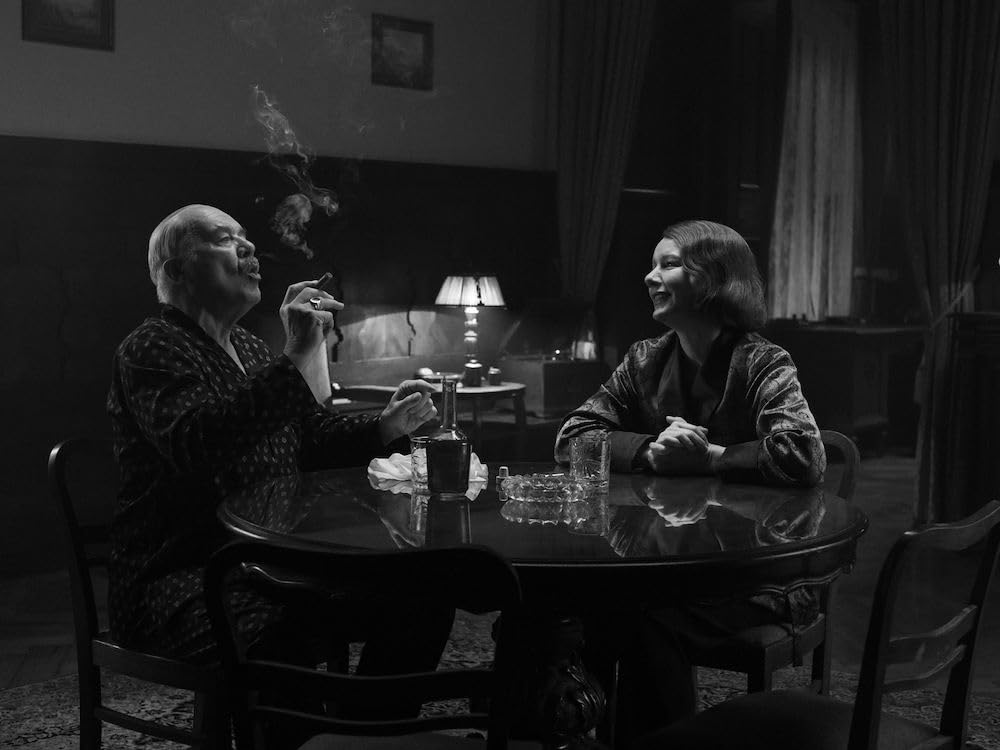
For the most part, however, Fatherland is a very quiet film and, at a mere 82 minutes, the film feels slight… at least as much as a period drama about the lingering shadow of Nazism in post-war Europe can feel slight. Despite Hüller’s gravitas as a performer and the incredible cinematography, the film’s subdued energy and measured pacing may be a sleeping pill for viewers. At times, Fatherland almost feels like a war drama where all of the interesting, high-energy scenes were cut out.
Many viewers will find depth and meaning in Fatherland’s quiet subtlety, as a father and daughter struggle to find connection, solidarity, and remnants of culture lost among the ruins left behind fascism’s wake. Unfortunately, for others, it may be nothing more than gorgeously shot wallpaper to have on in the background while taking a nice nap at a film festival or during award season.
• • •
Fatherland (Polish: Ojczyzna)—Italy, Poland, Germany, France. Dialog in German, French, English, Russian. Directed by Pawel Pawlikowski. Running time 1 hour 22 min. First released May 14, 2026 at the Cannes Film Festival. Starring Hanns Zischler, Sandra Hüller, August Diehl, Anna Madeley, Devid Striesow.
This article is part of Cinema Escapist‘s dedicated coverage of the 2026 Vancouver International Film Festival.