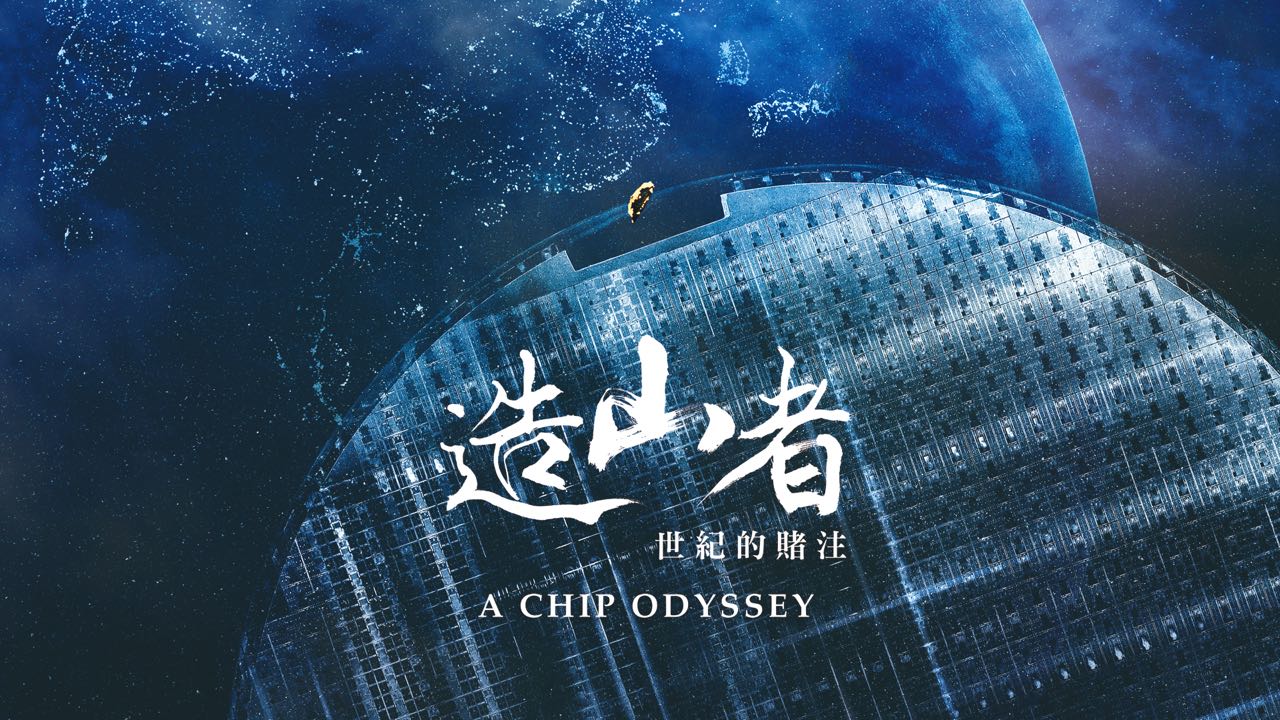
After debuting to strong reception in Taiwan during June 2025, documentary A Chip Odyssey recently concluded a US tour focusing on Taiwanese diaspora communities and academic institutions. It’s a fitting though perhaps incremental distribution strategy for a film that will probably resonate the most with audiences who have some familiarity with Taiwan’s semiconductor industry, and its geopolitical implications.
With a roughly chronological retelling of how Taiwan—and TSMC in particular—became the advanced semiconductor powerhouse it is today, A Chip Odyssey provides a much-needed human and Taiwan-centric perspective to balance chatter from Western commentators. At the same time, perhaps ever-aware of its potential target audiences, the documentary unapologetically lionizes those pivotal to the establishment of Taiwan’s semiconductor industry, drumming up sentiments of national pride that might rub some artistic purists the wrong way, but provide rich fodder for political analysis.
A Chip Odyssey unfolds in six sections, the first of which begins with director Hsiao Chu-Chen—a veteran journalist and documentary filmmaker—trying to find a semi-mythical breakfast shop where a group of seven Taiwanese government officials and industry figures first decided to prioritize the development of semiconductors. It then traces how Taiwan dispatched engineers to learn from American company RCA, how the Industrial Technology Research Institute (ITRI) took root in Hsinchu, and then how companies like TSMC began to pick up steam and eventually attain global dominance by the present day.
To illustrate this journey, A Chip Odyssey utilizes interviews mostly featuring key members of Taiwan’s semiconductor effort—including Morris Chang of TSMC, along with a litany of other insider executives. However, it also sprinkles in perspectives from more everyday individuals, like manufacturing workers who met their spouses on the production floor, and Hsinchu locals who sold their land to make room for semiconductor fabs.
The level of insider access that A Chip Odyssey demonstrates blows any Anglophone coverage of Taiwan’s semiconductor industry out of the water, and the inclusion of more quotidian Taiwanese voices injects additional nuance that makes the documentary a helpful complement to books like Chip War, or perhaps the Acquired podcast’s episode on TSMC. At the same time, the documentary mostly assumes that its audiences already have some passing familiarity with figures like Morris Chang, so reading Chip War or listening to Acquired before watching A Odyssey is probably a more prudent ordering for non-Taiwanese.
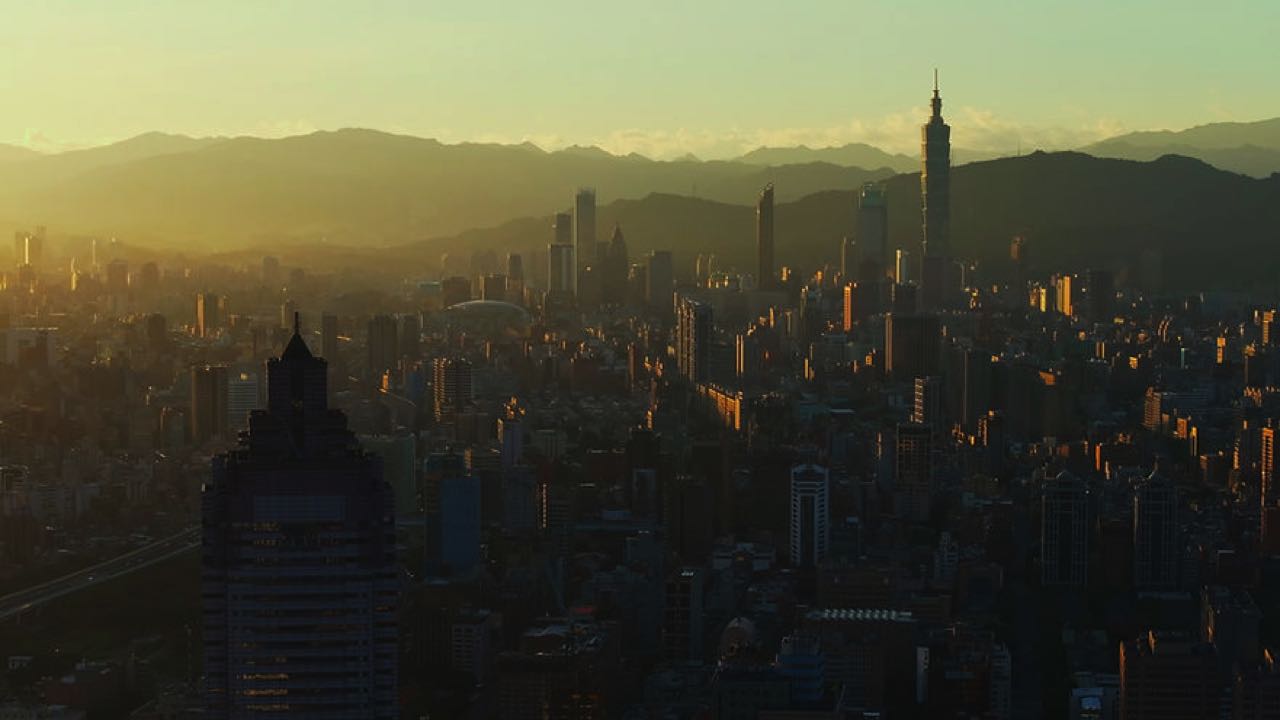
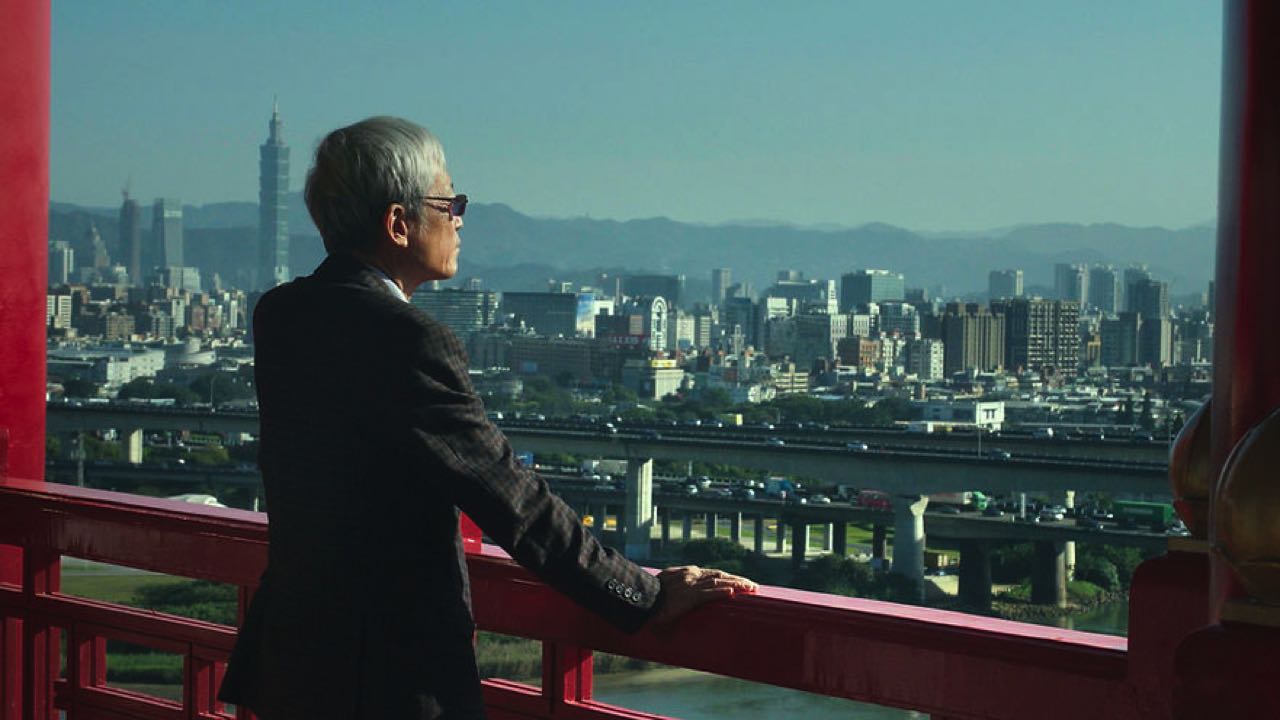
Regardless of social station or fame though, all of the individuals featured in A Chip Odyssey are framed as self-sacrificing; they work often inhuman hours and make personal tradeoffs for the good of the nation. The documentary’s Mandarin title 《造山者—世紀的賭注》—which directly translates to “Mountain Makers: Gamble of the Century”—provides a fitting expression of its tone and thematic undercurrents. On top of firsthand accounts from engineers tearing up as they recollect subsisting on meager allowances whilst on technology transfer stints in the US, or rushing to fabs in the middle of typhoons, A Chip Odyssey emphasizes the connection of faith, self-sacrifice, and nation-building by juxtaposing interviews against sweeping drone imagery of Taiwan’s ethereal mountains (referencing TSMC’s nickname as “保國聖山”, or “sacred nation-protecting mountain”) and lush urban centers.

Geopolitics enter squarely into the narrative as well, with the documentary also contextualizing each of its chapters against relevant political events—the Second Taiwan Strait Crisis, the Republic of China’s loss of US diplomatic recognition and UN representation, and so forth. Such events, the documentary implies, created a sense of national crisis necessitating the sacrifice of its interviewees. This geopolitical contextualization extends into the present day, with Chris Miller of Chip War himself literally appearing as one of the interviewees; clips from Donald Trump speeches about Taiwan stealing semiconductors, and Nancy Pelosi’s 2022 visit to Taiwan, feature as well. The national crisis, A Chip Odyssey’s final chapter argues using such footage, is not yet over—and neither is the need for sacrifice in the name of the nation.
It is this final section of A Chip Odyssey that is most intriguing for audiences Taiwanese and non-Taiwanese alike, a thumping coda that gives the film both a sense of purpose and balance. In its last 15 minutes, the documentary not only exhorts the geopolitical difficulties ahead for Taiwan—with forceful lines from Morris Chang about how globalization and free trade are dead—but also acknowledges domestic challenges like energy production and declining birthrates that Taiwan must also overcome. “We must succeed; failure is not an option,” goes the film’s last line.

The fact that A Chip Odyssey never shies away from pursuing an overt mission and political message might not be the right cup of tea for those seeking a more artistically contemplative documentary. However, regardless of whether one agrees with its underlying political assumptions or motivations, A Chip Odyssey’s exhortation around Taiwan’s need to continue self-sacrifice in the spirit of its semiconductor “mountain makers” is undoubtedly timely, and has a receptive audience both within Taiwan and abroad.
The eventual full size of that audience—whose core circle includes Taiwanese who care about defending the island’s sovereignty, as well as members of the Western foreign policy “blob”, but could perhaps extend to curious Americans tuning into PBS, for instance—will provide a fitting signal of A Chip Odyssey’s staying power as a piece of filmic craft, and ability to remain relevant amidst ever-shifting political tides, just like Taiwan itself.
• • •

A Chip Odyssey (Chinese: 造山者—世紀的賭注)—Taiwan. Dialog in Mandarin Chinese. Directed by Hsiao Chu-chen. First released June 13, 2025. Running time 1hr 46min.