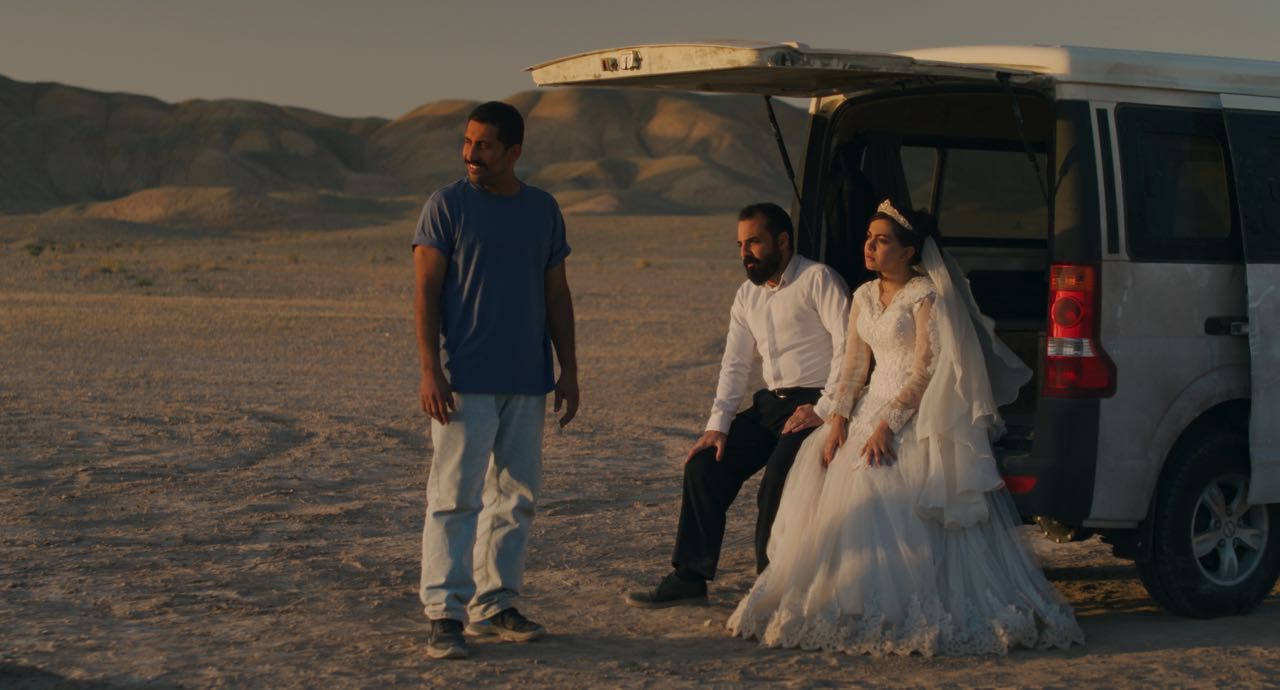
Iranian filmmaker Jafar Panahi is not one to shy away from politics. His films frequently challenge the governing Iranian regime, leading to Panahi’s multiple arrests, bans from filmmaking and imprisonment. His latest film, It Was Just An Accident, was inspired by stories he heard during his own imprisonment
“I am a socially engaged filmmaker. I get inspiration from the society and the environment I live in,” Panahi explained during a post-screening Q&A at the 2025 Toronto International Film Festival. “When they take me and put me in prison, I hear stories of prisoners who have been there for two years, for five years, for ten years. Of course, I am getting influenced by those… When I stepped outside of the prison, I turned around and saw the tall walls of the prison and the thought started that my friends are inside and I am outside… One day, I thought I owe these people who are inside the prison… I need to make a film and pay my tribute.”
This tribute comes in the form of a question. It Was Just An Accident presents the audience with an ethical dilemma: should we exact revenge on our persecutors?
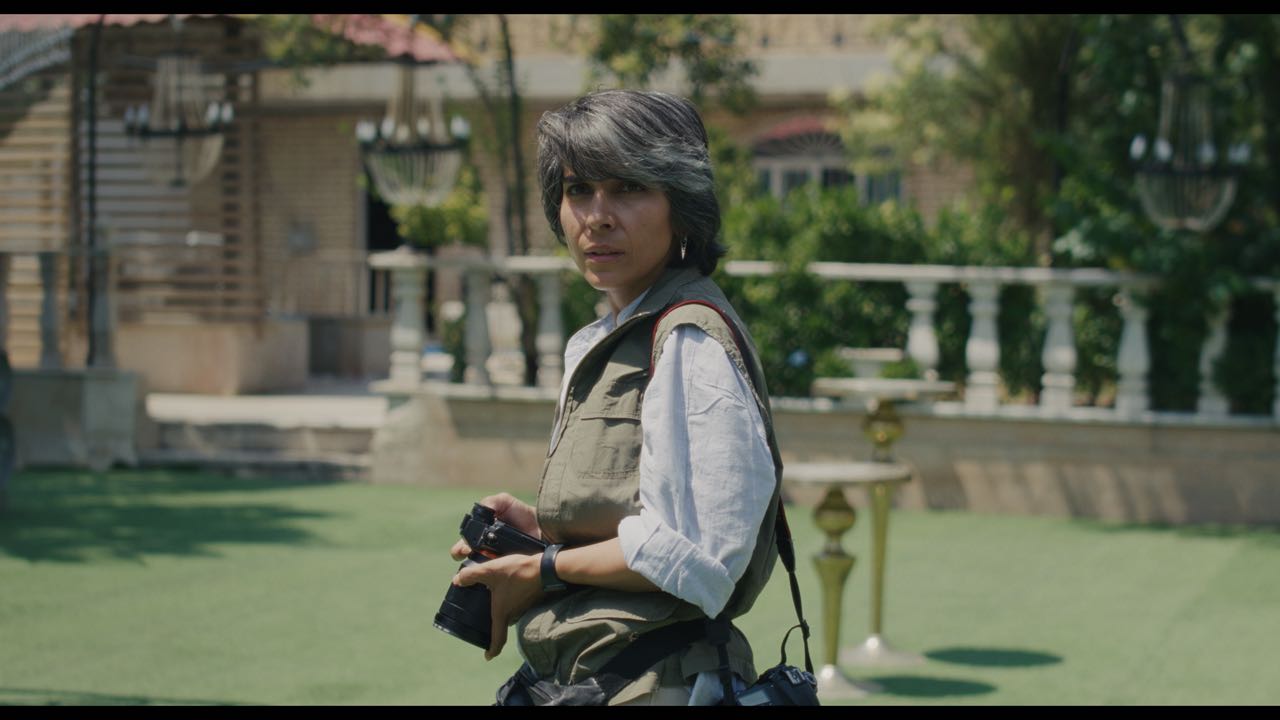
The film is a true ensemble, bringing together a colorful collection of characters, all united by their shared trauma and hunger for justice… though they may not agree on exactly what form this justice should take. Through a simple twist of fate, a worker named Vahid (Vahid Mobasseri) encounters Eghbal (Ebrahim Azizi), a man that Vahid believes was responsible for the sadistic torture inflicted upon him and many others during his time in prison. Vahid quickly seeks revenge, but begins to question whether he has the right man. He seeks help from other survivors of Eghbal’s torture and, before long, a motley crew is assembled: the tough photographer Shiva (Maryam Afshari), a passionate bride-to-be Golrokh (Hadis Paak Baten) and her begrudging groom (Majid Panahi), and loose cannon Hamid (Mohamad Ali Elyas Mehr). Together, they have to decide how to confirm Eghbal’s identity… and what should then be done.
This group of characters in It Was Just An Accident were informed by people in Panahi’s real life. Panahi says, “I gradually started thinking about my friends, the story, the people I had met: the violent person, the nonviolent, the regular worker. These stories came together into the main story.” With most of these characters played by non-professional actors, the performances are phenomenal, with a real sense of humanity and raw emotion. These actors were specifically chosen by Panahi, one-by-one, as part of their strict security protocol during production, a necessity given the film’s politically sensitive subject matter.
“My cast, I chose them one by one… so that the project would not get known before it was finished,” says Panahi. “After a few films, the past four or five that I had made in this style, I had learned what I needed to do and what measures I needed to take to keep the film safe. But, before these experiences for instance, one time, I was working at home. Because I didn’t know what measures to take, they raided the place and they took us.”
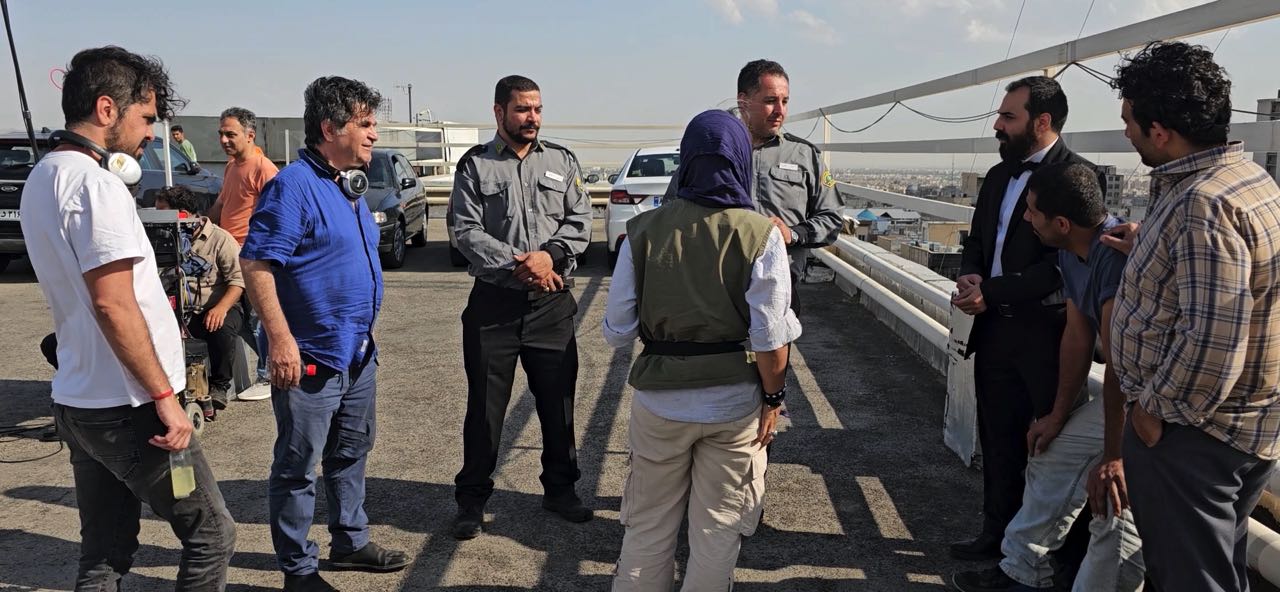
Despite these external stressors, It Was Just An Accident is patiently and masterfully shot. Panahi uses long takes extensively to immerse you in the situation, placing you right beside the characters as they grapple with what to do. He does not provide any easy answers and forces the audience to question what they want to see happen, reckoning with their own personal ethics.
Aside from the rich performances and the immaculate sound design (never before has there been such meaning in one single “squeak”), perhaps the most amazing element of It Was Just An Accident is that it is profoundly entertaining. Despite the heavy subject matter, Panahi is able to create a tremendously fun and thrilling movie, without sacrificing an inch of his political furor or shying away from the harsh reality of life under the current Iranian regime.
“We are dealing with a regime that, as far as I’m concerned, has fallen in every sense,” says Panahi. “Politically, ideologically, economically, environmentally, culturally—it’s over. There is only a body, a physical surface left, that has remained by force. My wish is that the time comes very soon when that body also falls.”
Ultimately, It Was Just An Accident is a rare gem: a crowd-pleasing thrill ride that has profound things to say about the human condition and calls for meaningful social change. Having already won the highest honour at the prestigious Cannes Film Festival, Panahi’s film is worthy of celebration.
“Perhaps if they had not put me in prison, this film would never have been made,” reflects Panahi. He continues with a joke: “It was not me who made this film. It was the Islamic Republic who made this film and I would like to congratulate them.”
• • •
It Was Just an Accident (Farsi: یک تصادف ساده)—Iran, France, Luxembourg. Dialog in Persian (Farsi). Directed by Jafar Panahi. Running time 1 hour 45 min. First released May 20, 2025 at the Cannes Film Festival. Starring Vahid Mobasseri, Mariam Afshari, Ebrahim Azizi, Hadis Pakbaten.
This article is part of Cinema Escapist‘s dedicated coverage of the 2025 Toronto International Film Festival.