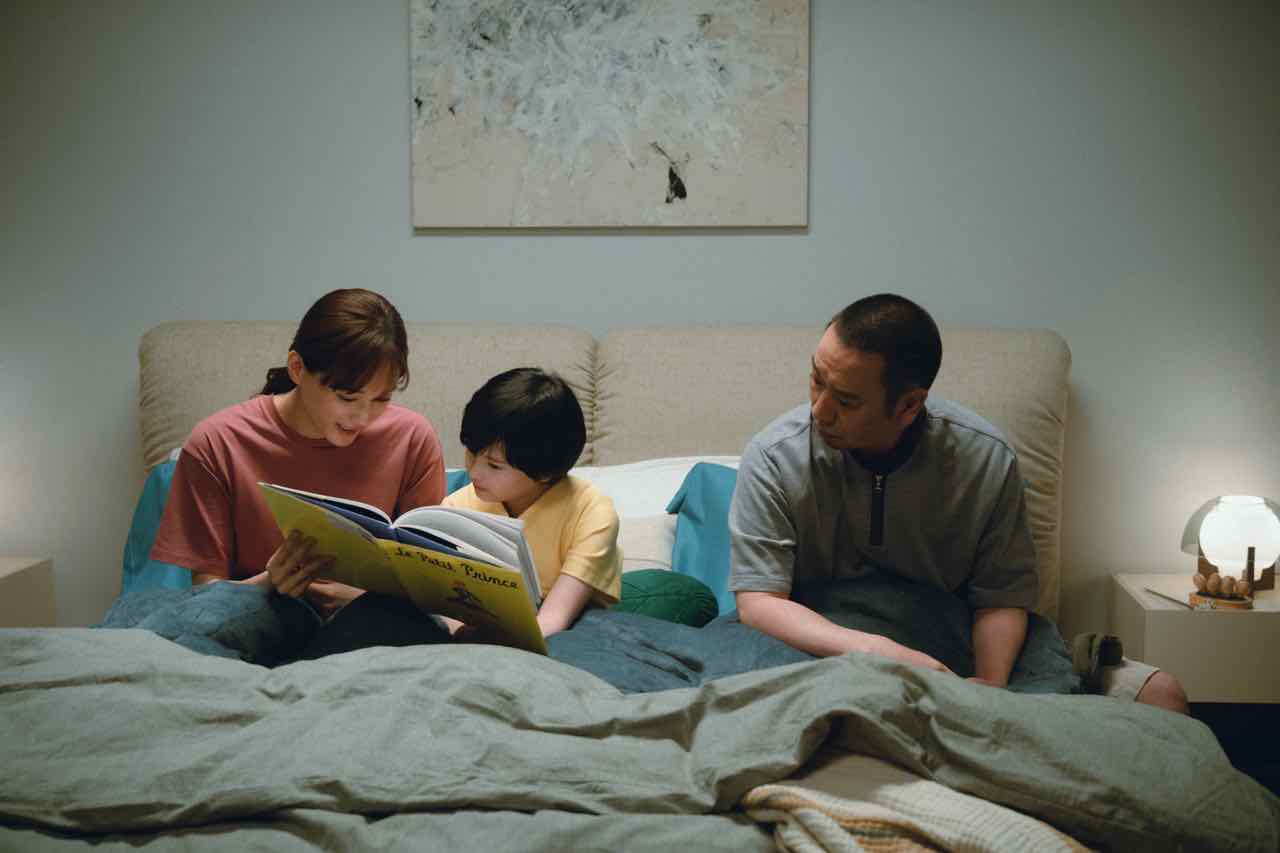
In Sheep in the Box, renowned Japanese filmmaker Hirokazu Kore-eda operates within his comfort zone as a master of family drama. Although Kore-eda has left an indelible mark on world cinema through humanistic explorations of familial ties, his 17th feature plays it safe. The resulting sci-fi drama feels ambitious yet unconvincing, particularly with its integration of AI into a domestic narrative.
The premise of Sheep in the Box possesses the hallmarks of a tear-jerker: a Japanese couple mourning their son’s death welcomes a humanoid robot named Kakeru (Rimu Kuwaki) into their home to cope with their devastating loss. This concept echoes previous works like Steven Spielberg’s A.I. Artificial Intelligence (2001), the Black Mirror episode “Be Right Back,” and even Kore-eda’s own Air Doll (2009).
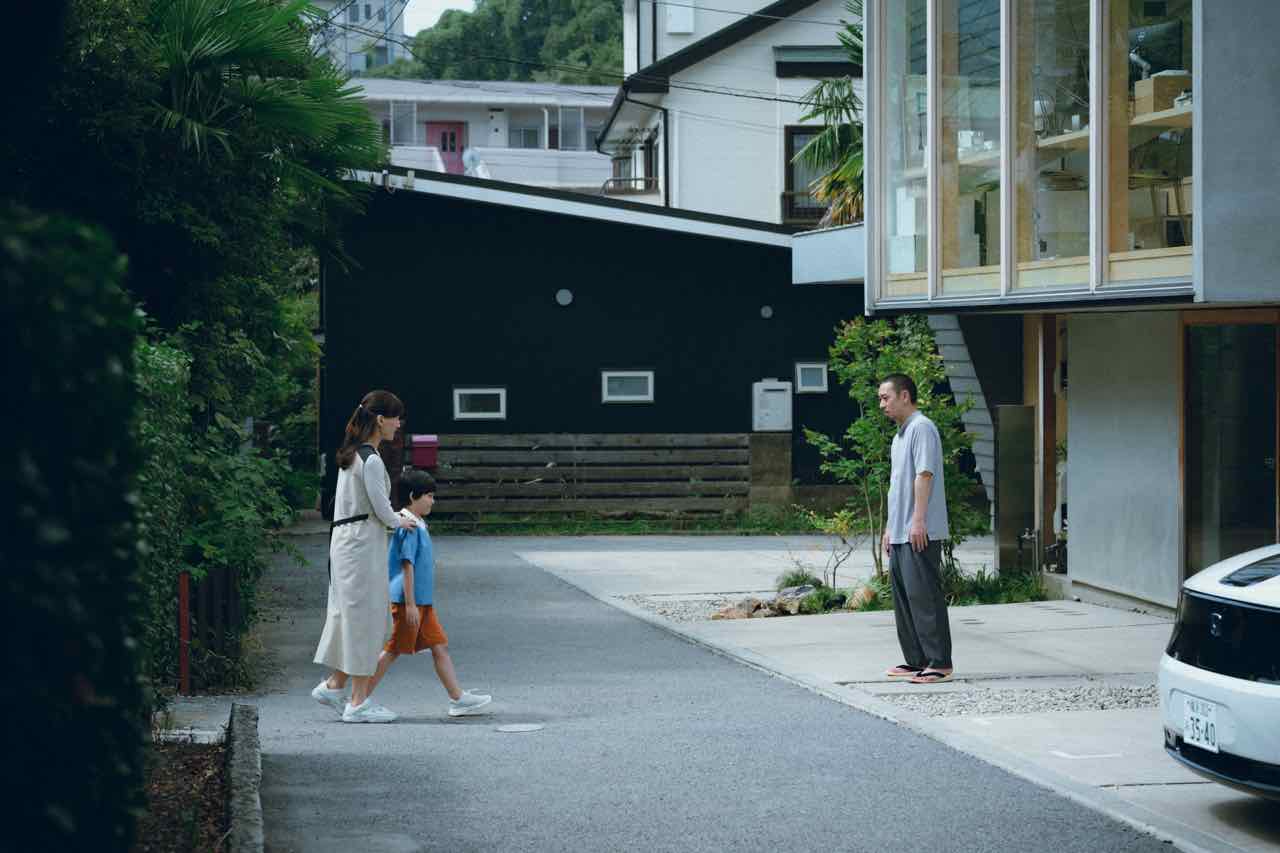
While the setting mirrors modern realities like AI home companions, humanoid robots, and dolls, Kore-eda’s approach ultimately prioritizes his usual focus on family. The film often feels like a muddled retrospective of his career: memory in After Life (1998), longing in After the Storm (2016), blood ties in Like Father, Like Son (2013) and My Little Sister (2020), found family in Shoplifters (2018), and imagination in Monster (2023). Unfortunately, Kore-eda tiptoes around the systemic risks of technology, rendering the story hollow; his quiet style fails to support this attempt at addressing society’s emotional dependence on AI.
Sheep in the Box’s bland tone matches its premise but fails to evoke emotion. Flat colors and soft-blur effects aim for a dreamlike quality yet often result in a soulless aesthetic. The movie shines only in limited sentimental moments, such as when the father, Kensuke (Daigo Yamamoto), apologizes to Kakeru. Outside of those moments, character exchanges often feel rehearsed—though lighthearted comedic beats offer a genuine glimpse into the connections within this odd family setting.
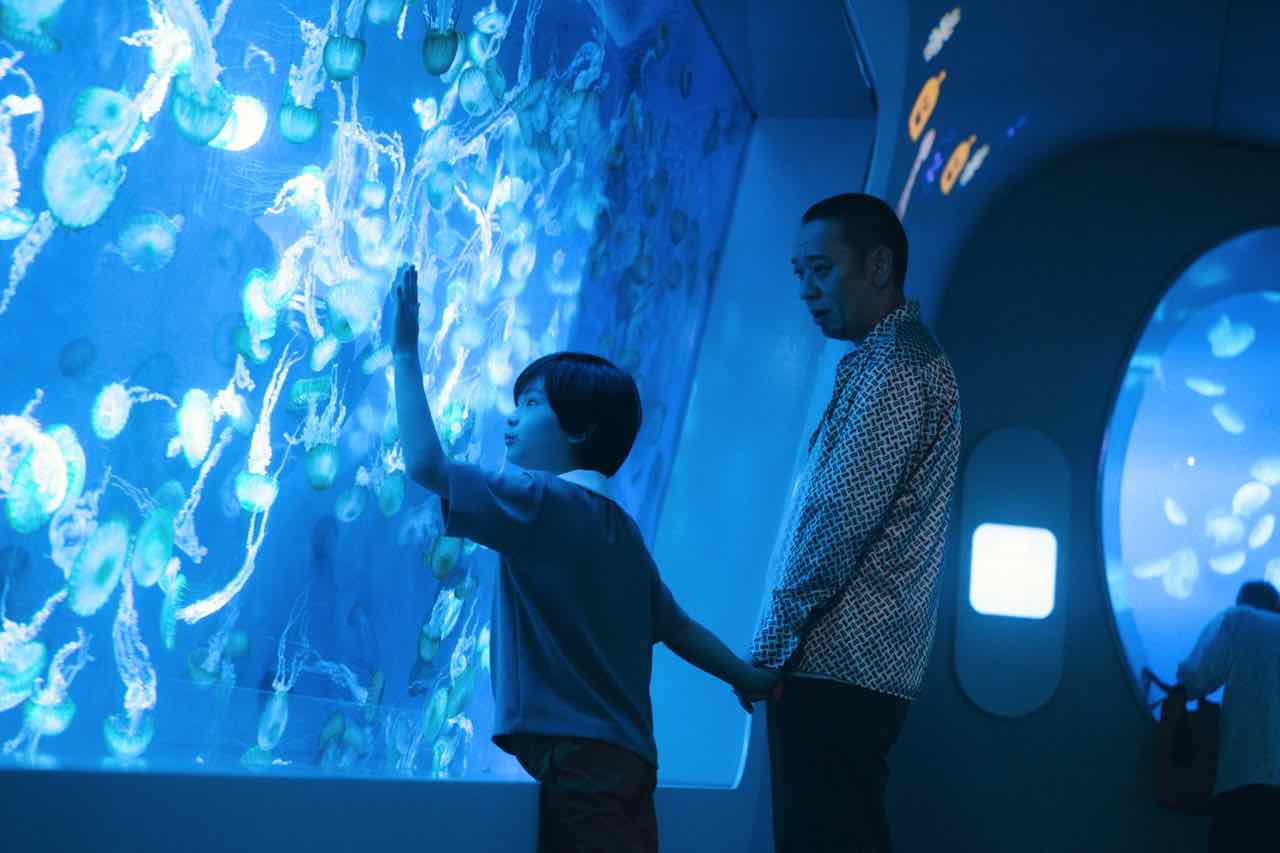
Kore-eda misses opportunities to deepen the themes of grief or the couple’s internal conflict regarding whether an AI child betrays their deceased son. Although the director attempts to depict co-existence with technology, these efforts fail to linger. While the film admirably explores how humans view synthetic life—as either emotional proxies or tools—Kakeru’s eventual agency feels unfulfilling. Kore-eda also remains content to let viewers question their own moral stances. He refuses to dictate how one should grieve, presenting both the mother’s (Haruka Ayase) comfort in a forced reality, and the father’s denial, as valid responses to loss.
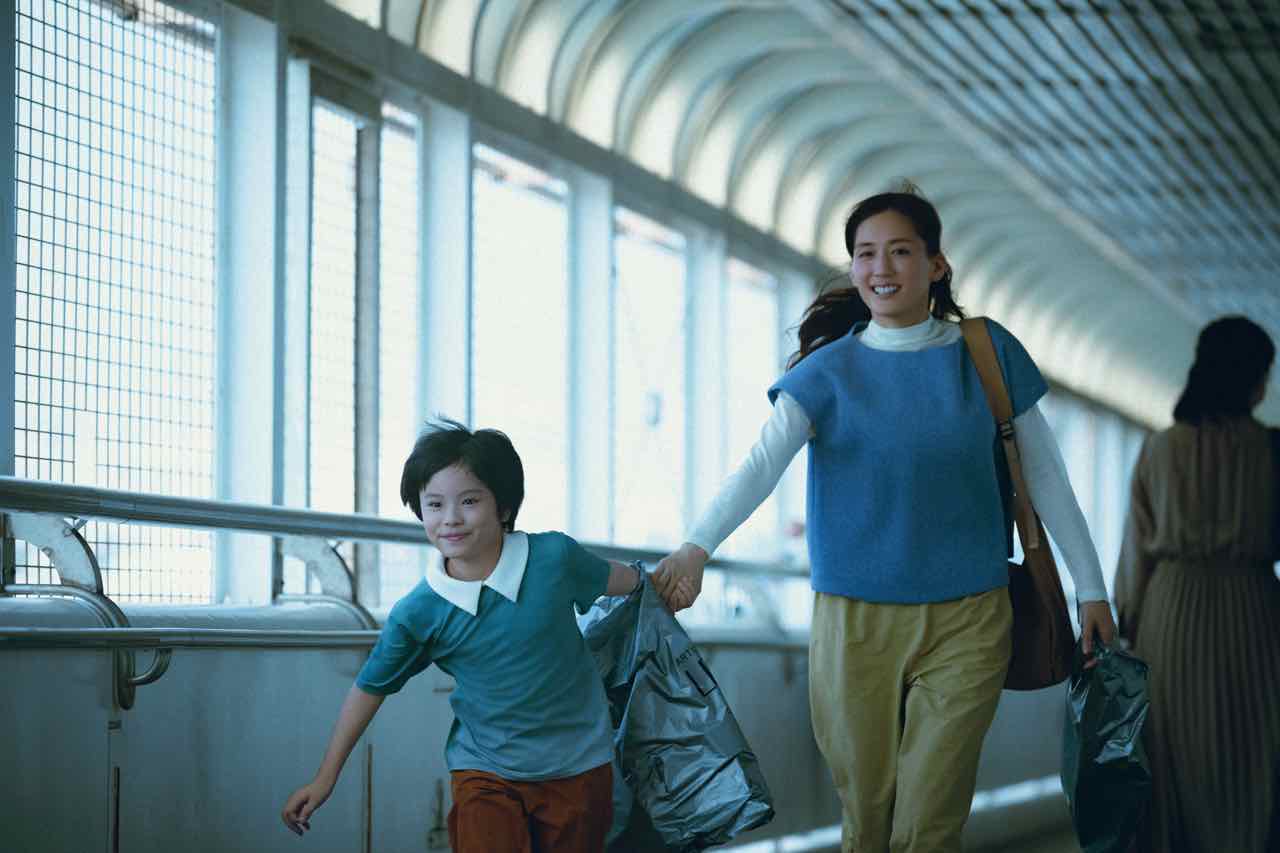
Despite these narrative shortcomings, Sheep in the Box’s production design impresses. Its protagonists’ box-like home mirrors the film’s title and references Antoine de Saint-Exupéry’s The Little Prince. This setting reflects a family paralyzed by the past, even as Kakeru breaks out of his metaphorical box. Yuta Bandoh’s score, featuring cello solos by Yu Ito, commands the screen. Additionally, newcomer Rimu Kuwaki—who won the role over 200 contenders—delivers a standout performance as Kakeru.
While Sheep in the Box lacks the momentum of Kore-eda’s previous film Monster, the director’s ambition is clear. However, the scope for Sheep in the Box proves too vast for Kore-eda to handle this time around.
• • •
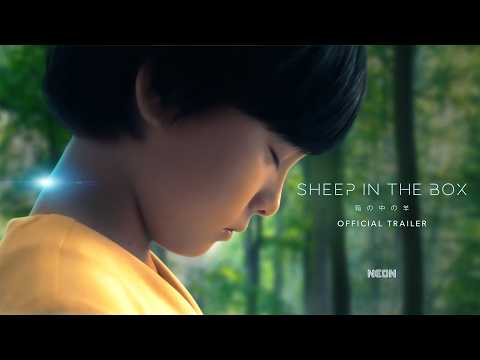
Sheep in the Box (Japanese: 箱の中の羊)—Japan. Dialog in Japanese. Directed by Hirokazu Kore-eda. First released on 16 May 2026 at the 2026 Cannes Film Festival. Running time 2hr 7mins. Starring Haruka Ayase, Daigo Yamamoto, Rimu Kuwaki, Nana Seino, Kanichiro, Hinata Hiiragi.